Top Family-Friendly Adventures in Chattahoochee River National Recreation Area

Looking to spend quality time with your loved ones in the great outdoors? Chattahoochee River National Recreation Area (CRNRA) is a natural fit for families seeking fun, fresh air, and meaningful moments together. With scenic trails, peaceful picnic spots, and hands-on learning experiences, CRNRA offers plenty of ways to connect with nature—and each other.


Here are some of our favorite family-friendly activities to enjoy in the park:


1. Hit the Trail with Your Little Explorers

Island Ford Trails & Visitor Center

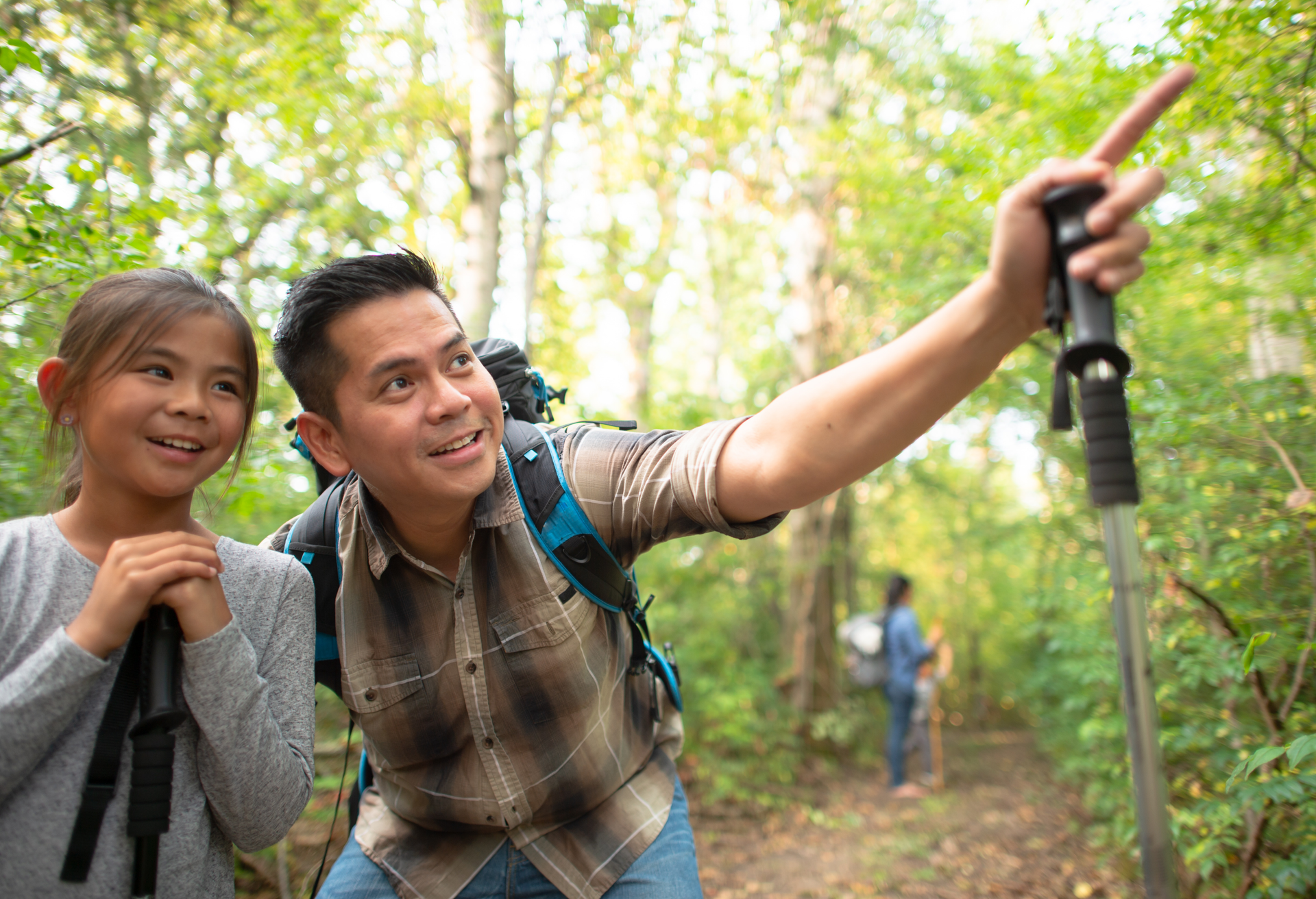
The Island Ford unit is a favorite starting point for families! With over five miles of trails and shorter loops ideal for younger hikers, you’ll find peaceful forest paths and river views—plus plenty of chances to spot turtles, herons, and maybe even deer. The Island Ford Visitor Center is a welcoming hub for families: pick up a Junior Ranger booklet, explore wildlife displays, and learn more about the park’s story.


Cochran Shoals Fitness Loop

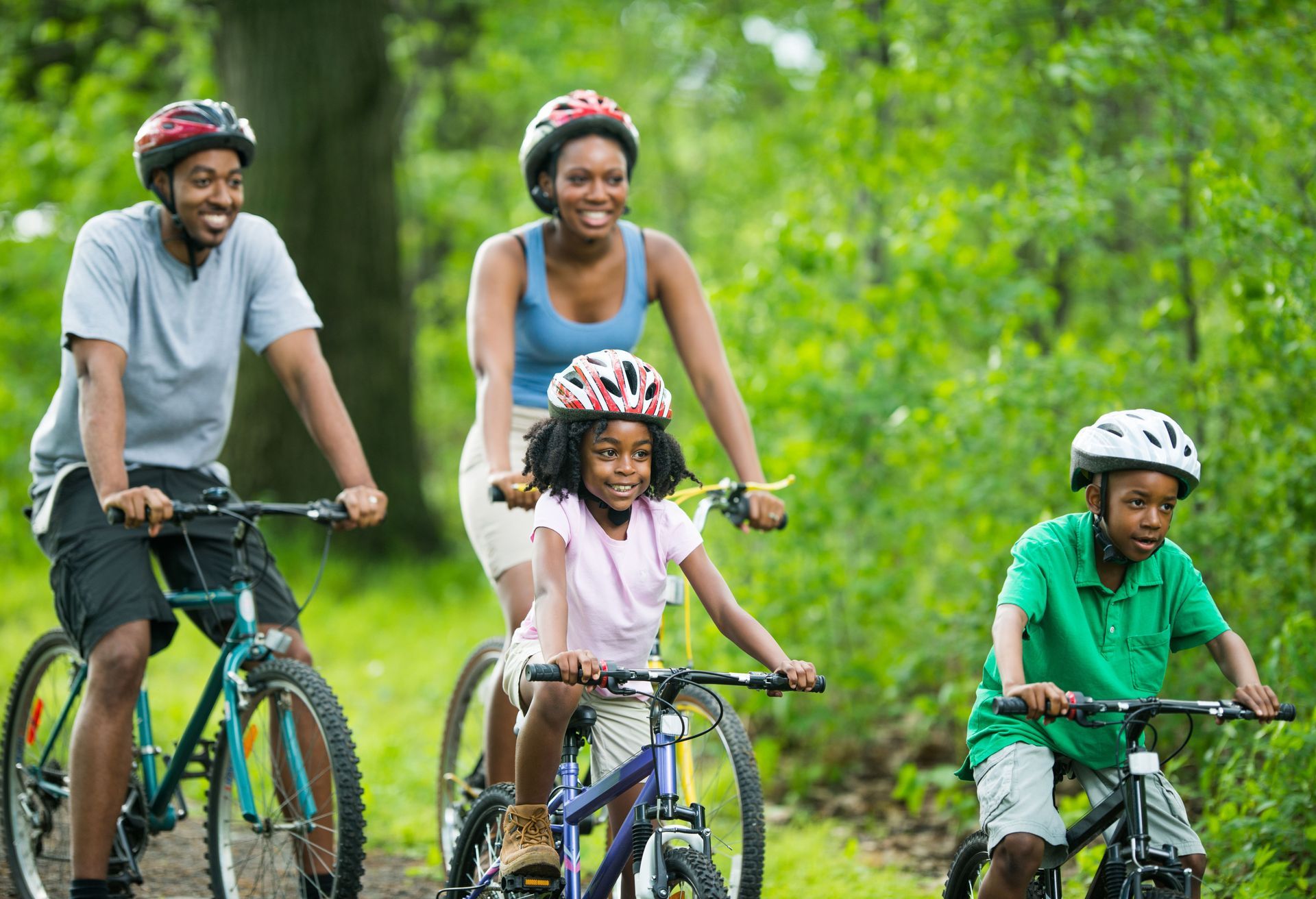
This flat, 3-mile trail is bike and stroller-friendly and shaded in parts, making it a go-to for families with young kids. Interpretive signs share fun facts about the area’s history and ecosystem, and the river views are sure to please everyone in the group.


Sibley Pond at Sope Creek

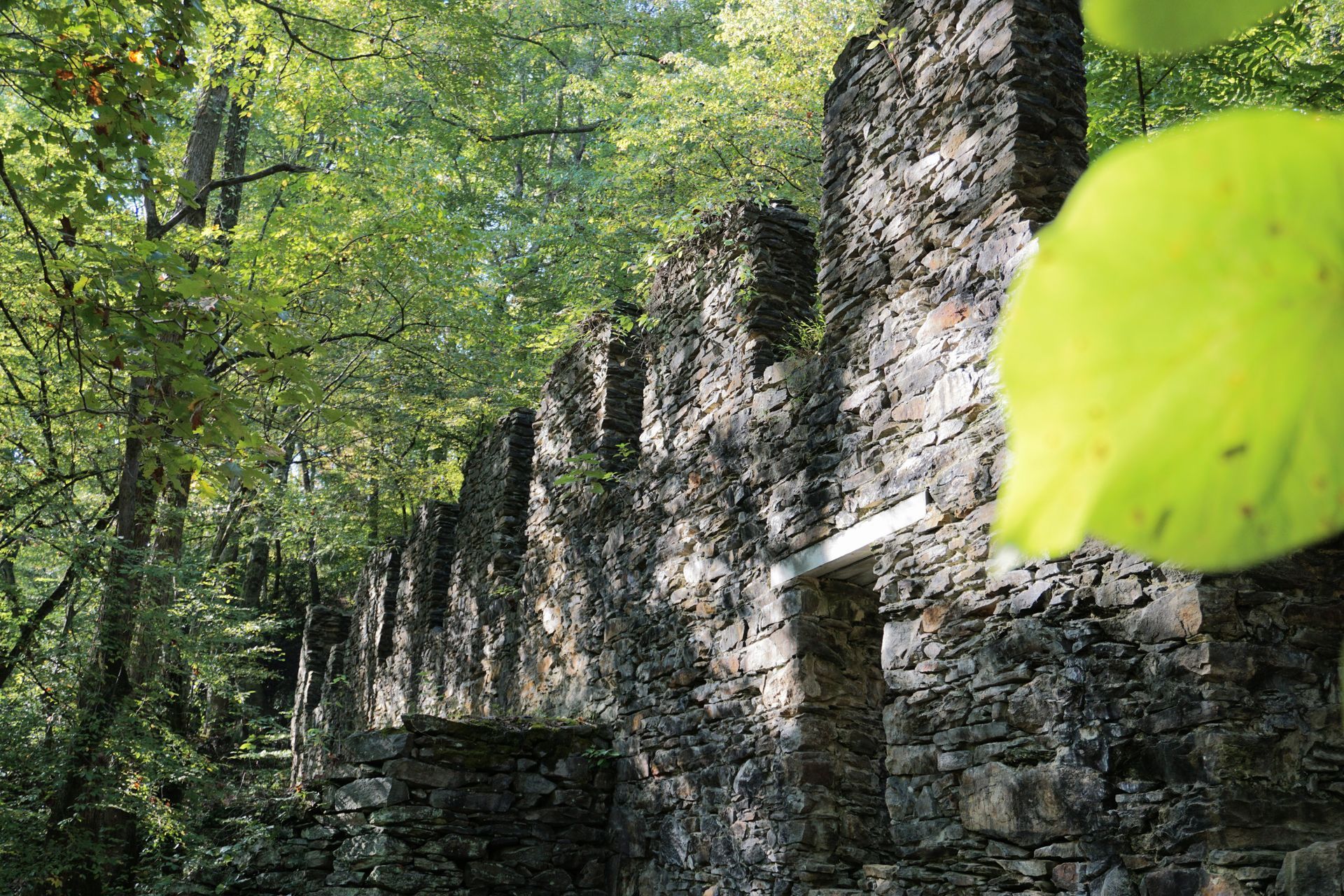
A short loop surrounds this quiet pond, perfect for a slow-paced wildlife walk. Keep your eyes peeled for frogs, dragonflies, and birds along the water’s edge!

2. Pack a Picnic and Take in the Scenery

Bowmans Island

Spacious picnic tables, open grassy areas, and grill stations make Bowmans Island a great place to enjoy lunch in the fresh air. After eating, take a stroll by the river or toss a frisbee with the kids!


Johnson Ferry North

This quiet riverside spot is ideal for a peaceful picnic! With trails nearby, it’s easy to make your outing a mix of relaxing and exploring.


Abbott’s Bridge

Shaded tables and a meadow make this Duluth unit a hit with families. 


3. Cool Off in the River

Tubing 

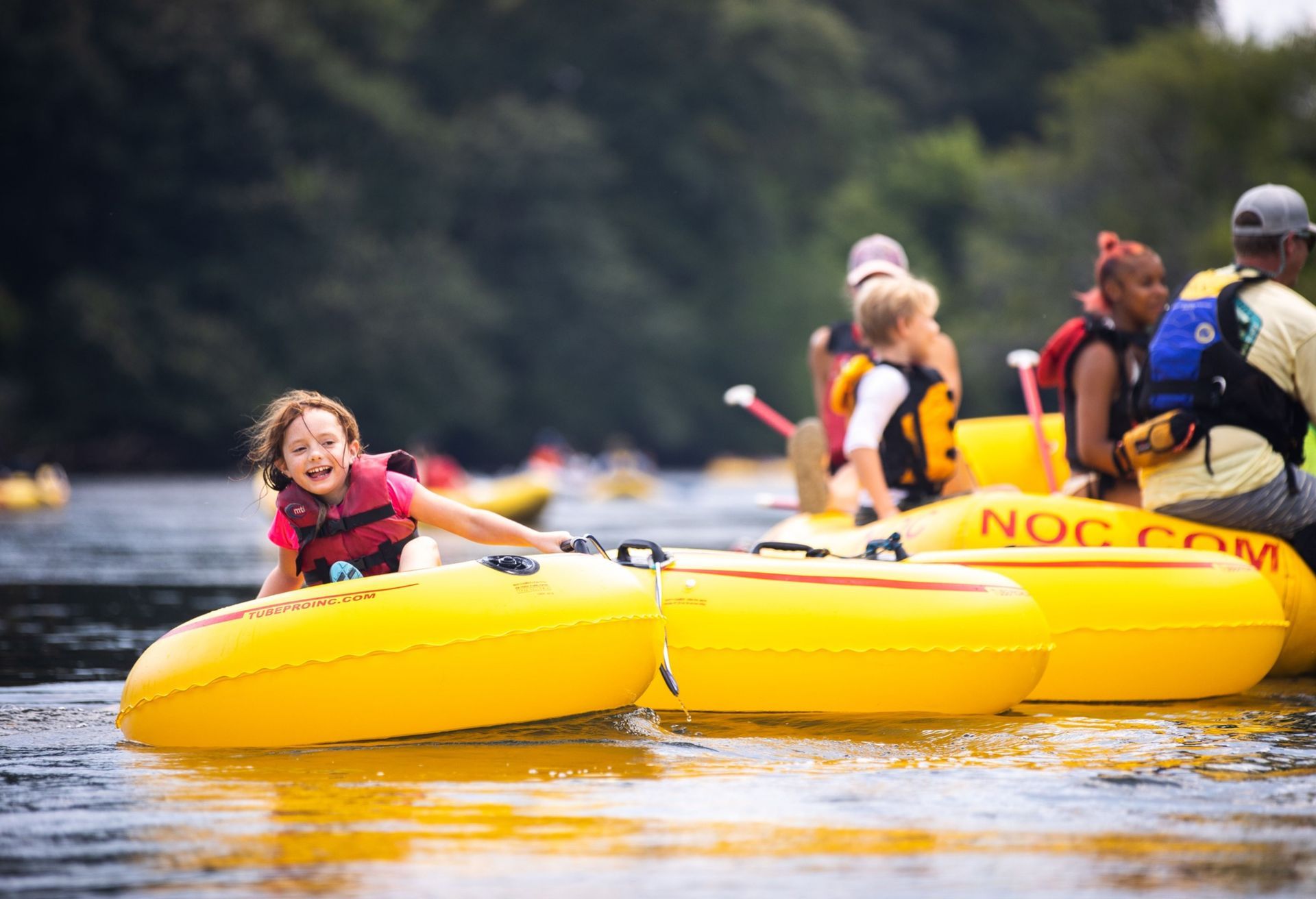
Floating the Chattahoochee is a laid-back, family-friendly way to enjoy the water. Outfitters near the park provide rentals—just bring water shoes, sunscreen, and a sense of adventure. CNPC members even get discounts on weekday rentals at Nantahala Outdoor Center!


Kayaking and Canoeing

Older kids and teens will love the challenge and fun of paddling together. Several CRNRA units have river access and nearby rentals for your next on-the-water outing.


Find water safety tips and a map to view kayak launches here!

4. Learn and Explore with Ranger-Led Activities

Junior Ranger Program

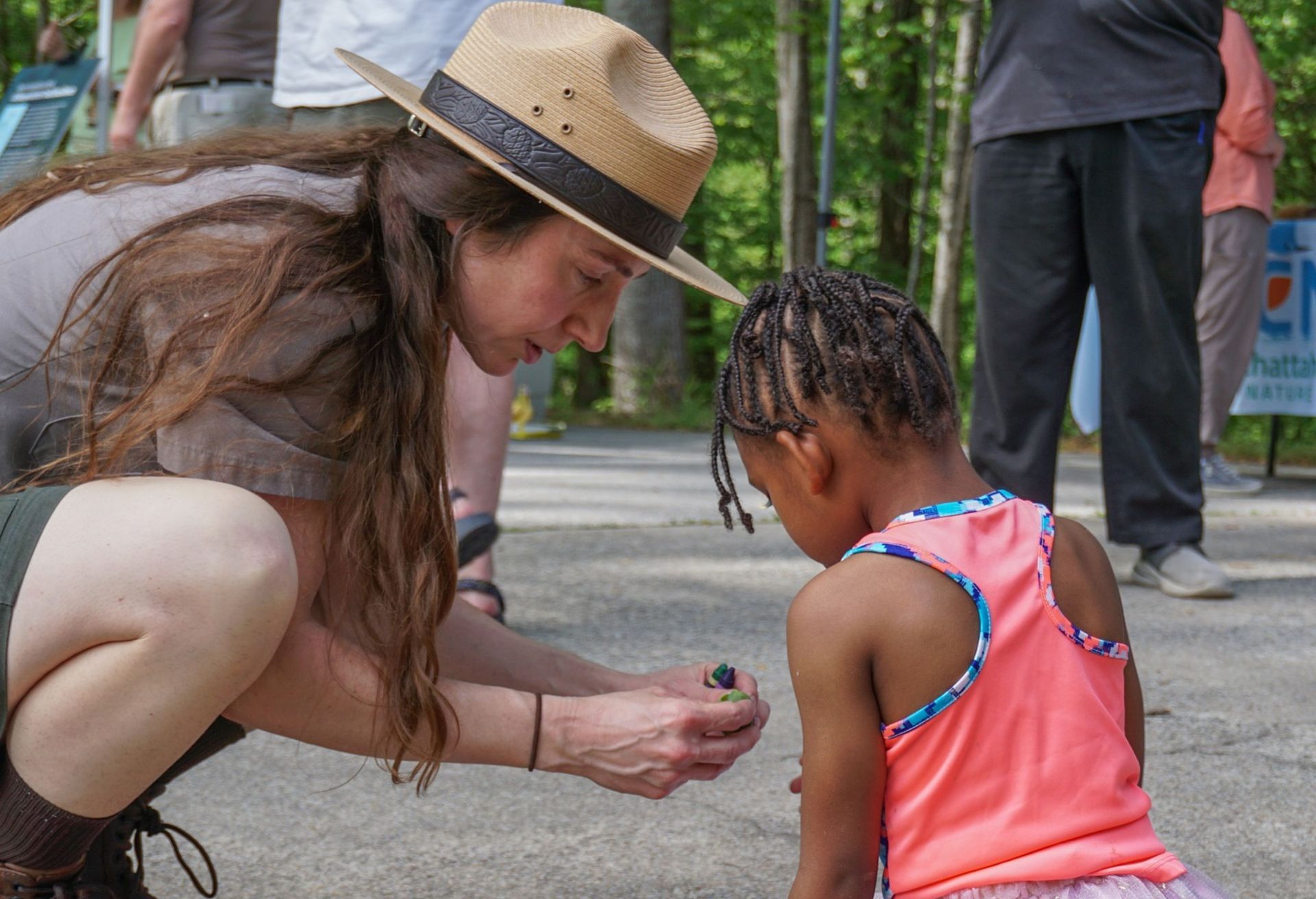
Start your visit by picking up a Junior Ranger booklet at the Island Ford Visitor Center. Kids can learn about wildlife, history, and conservation while completing fun, hands-on activities. It’s a great way to deepen your connection to the park—and earn a badge!


Guided Walks and Nature Talks

CRNRA’s rangers lead seasonal walks and family-friendly programs about native wildlife, river ecosystems, and more. Check our calendar for upcoming events and special activities for kids.

5. Look and Listen for Wildlife

One of the most magical parts of visiting CRNRA is discovering the incredible wildlife that calls this park home! With its forests, wetlands, and riverbanks, the park is home to white-tailed deer, great blue herons, turtles, hawks, and even the occasional otter or beaver. Bring binoculars and turn your hike into a nature scavenger hunt!


Encourage kids to look for tracks, listen for birdsong, and watch the river’s edge for movement. Popular wildlife-watching spots include:

  • Bull Sluice Lake at Gold Branch
  • Jones Bridge Overlook
  • Sibley Pond at Sope Creek

Every visit is a new chance to connect with nature—just remember to observe wildlife from a distance and leave no trace so future visitors can enjoy the same experience.


Plan Your Visit

No matter how you spend your day—on a trail, by the river, or learning something new—CRNRA is the perfect backdrop for family adventures that build lasting memories. Don’t forget: Pack snacks, refillable water bottles, sunscreen, and a camera to capture the moments!


We’d love to see where the trail takes you! Share your photos and stories using #ChattParks and tag us along the way.


Support Your Local National Park

If you enjoy CRNRA, consider supporting the Chattahoochee National Park Conservancy (CNPC). Your donation helps maintain and improve our beautiful trails and river, ensuring they remain a top destination and escape for metro Atlanta. Every contribution makes a difference in preserving this natural treasure for future generations.

Support CRNRA

Related Posts

June 29, 2026
In Chattahoochee River National Recreation Area, every bend in the river has a story to tell. As our country celebrates the 250th anniversary of the signing of the Declaration of Independence, we're taking a moment to appreciate how this special place fits into the larger American story. And while the park itself wasn't established until 1978, the history of the Chattahoochee stretches back thousands of years.
National Park Service sign in Chattahoochee River National Recreation Area
May 8, 2026
Discover what National Park Fee Free Days are, why parks charge entrance fees, and how your visit supports Chattahoochee River National Recreation Area. See the full list of 2026 fee free days!
February 16, 2026
On Presidents Day, we often think about leadership, legacy, and the long arc of decisions that shape our country. One of the most enduring legacies of U.S. presidents is the protection of public lands! From sweeping conservation movements to the creation of specific parks and trails, presidential leadership has played a pivotal role in making sure that places like Chattahoochee River National Recreation Area (CRNRA) remain protected and accessible. The Presidency and the Birth of Public Lands Since the late 1800s, presidents have used their authority to conserve land for the public good. Today, the National Park System includes more than 430 sites that protect landscapes, ecosystems, historic places, and waterways, many of which exist because a president chose long-term stewardship over short-term gain. Beyond preserving scenic areas, these decisions were about clean water, public access, community well-being, and the belief that nature should belong to everyone.