CRNRA Press Release: Keep Your Furry Friends Safe - Leashing Dogs at Chattahoochee River National Recreation Area
Keep Your Furry Friends Safe: Leashing Dogs at Chattahoochee River National Recreation Area
Leashing your pet protects them and preserves the park's natural beauty and ensures a safe experience for everyone.
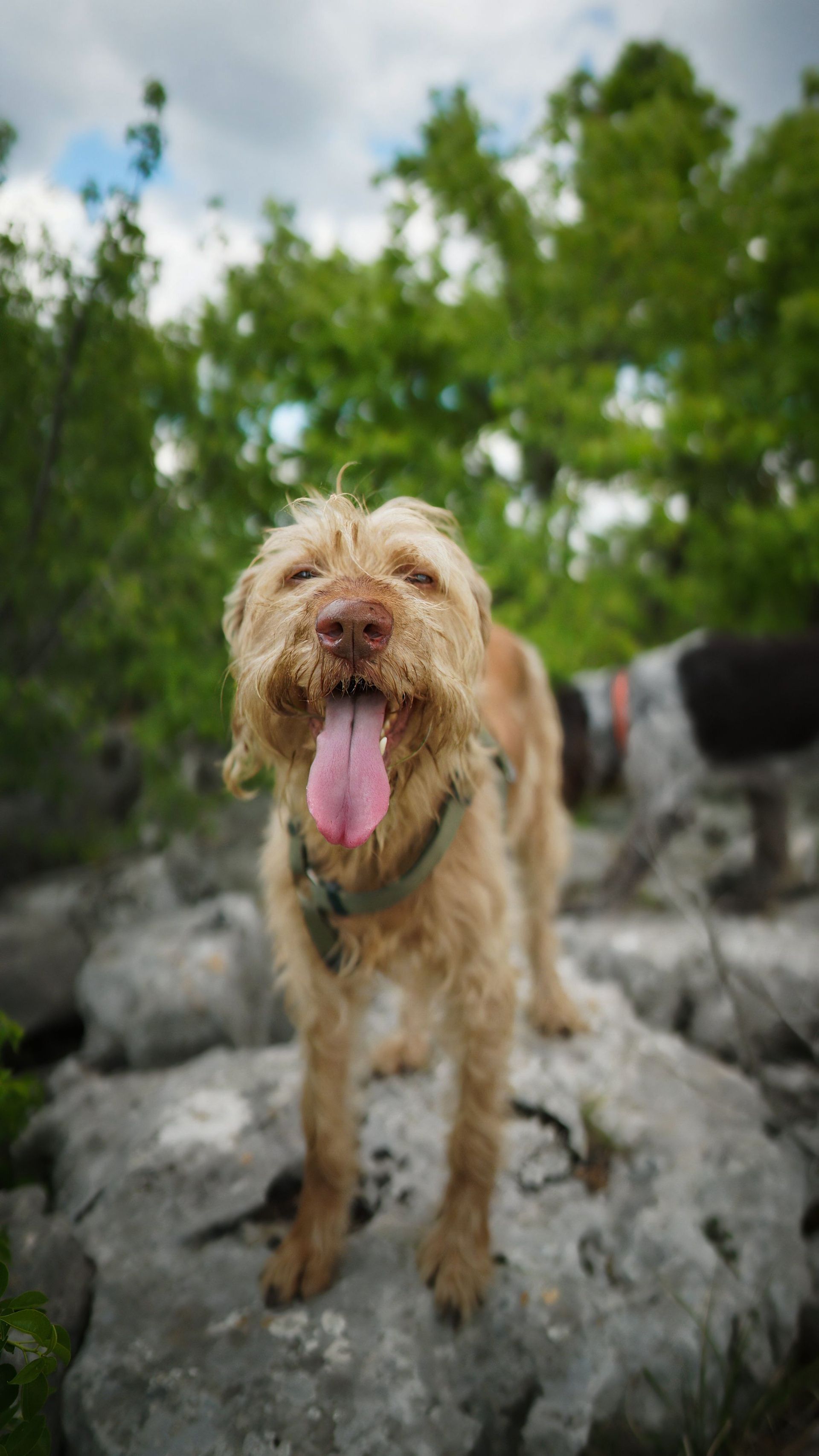
SANDY SPRINGS, GA – Dogs are welcome on the trails at Chattahoochee River National Recreation Area (CRNRA), but pet owners must follow the basic rules to ensure the safety of their pets, other visitors, and the park itself. One of the key requirements is that all dogs must be on a 6-foot leash.
CRNRA sees over 3 million visitors a year, making the trails busy with people and pets. With all the new and exciting scents and sights for a dog to explore, a visit to the park for a dog can be overwhelming. Even a well-behaved and trained pet can behave unpredictably in such an environment.
Leashing your dog is a rule that is an important safety measure to protect your pet, other park visitors, and the flora and fauna of the park itself. Several past incidents in the park involving unleashed pets have caused damage and created issues for park visitors and staff alike. Incidents that highlight the importance of leashing include:
- Damage caused to rare and sensitive plants by unleashed dogs running off trails.
- CRNRA staff being bitten by unleashed dogs, with one ranger bitten three times.
- Park volunteers facing confrontations with aggressive dogs, prompting them to carry protective items.
- An unleashed dog attacking a baby beaver, which had to be euthanized due to its injuries.
- An unleashed dog jumping on a visitor, resulting in a broken wrist.
Leashing your pet also protects them from potential dangers such as venomous snakes, coyotes, poisonous plants, and unsafe water. As a pet owner, you are responsible for your dog’s behavior and safety while in the park.
To promote a safe and enjoyable experience for pets and their owners, CRNRA offers the B.A.R.K. Ranger program. This initiative educates pet owners on best practices for visiting the park with their furry friends, including the importance of leash requirements. The program is available daily at the Island Ford Visitor Center from 9 a.m. to 5 p.m. Participants earn a certificate and have their dogs sworn in as official B.A.R.K. Rangers.
About Chattahoochee River National Recreation Area. Designated as a unit of the National Park System in 1978, Chattahoochee River National Recreation Area preserves and protects the natural and cultural resources of the 48-mile Chattahoochee River corridor from Buford Dam to Peachtree Creek. The park annually welcomes over 3,000,000 visitors.
About the National Park Service: More than 20,000 National Park Service employees care for America’s 430+ national parks and work with communities across the nation to help preserve local history and create close-to-home recreational opportunities. Learn more at www.nps.gov, and on Facebook, Instagram, Twitter, and YouTube.
Support Your Local National Park
If you enjoy CRNRA, consider supporting the Chattahoochee National Park Conservancy (CNPC). Your donation helps maintain and improve our beautiful trails and river, ensuring they remain a top destination and escape for metro Atlanta. Every contribution makes a difference in preserving this natural treasure for future generations.
Related Posts