River Safety & Water Quality: What to Know Before You Go
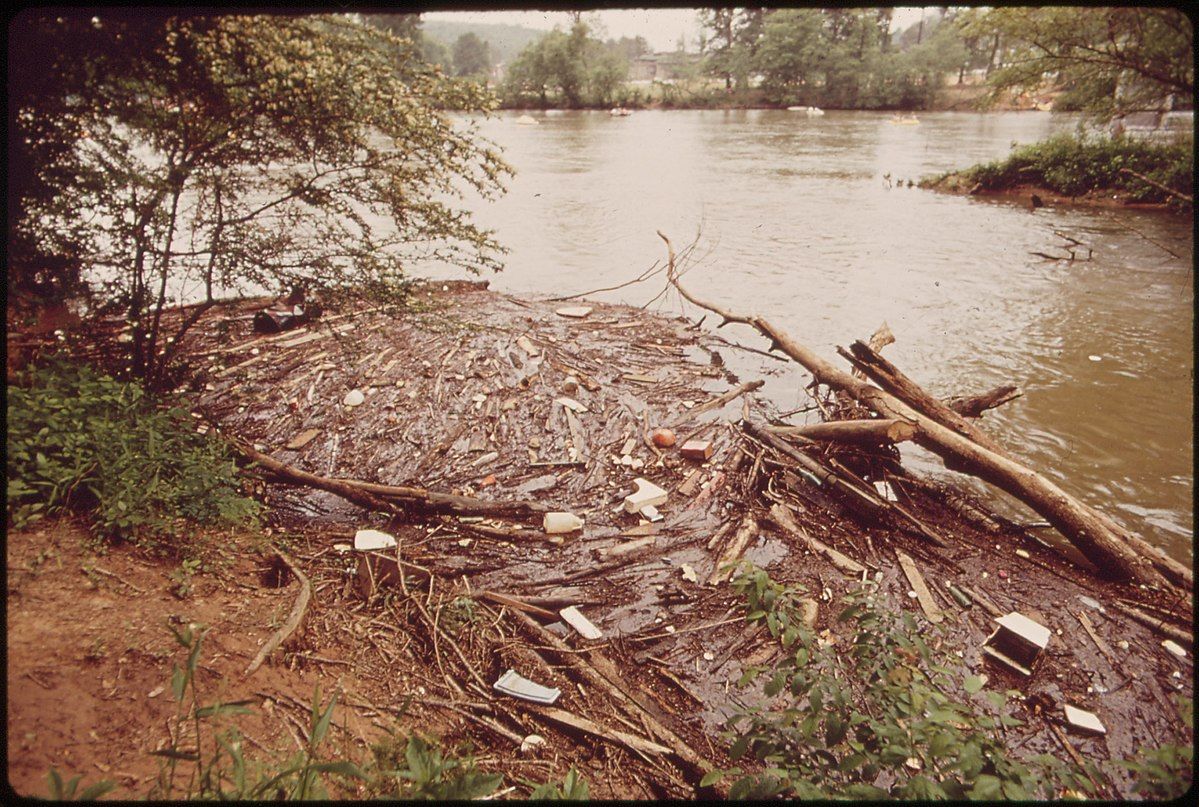
If you’ve lived in metro Atlanta long enough, you may remember a time when people avoided the Chattahoochee River. It had a reputation—polluted, unpredictable, and not the kind of place you’d choose to paddle, swim, or fish.
In the 1970s and '80s, that reputation was well-earned. Decades of development, failing infrastructure, and untreated stormwater left sections of the river vulnerable to high bacteria levels and poor water quality. For a while, the Chattahoochee was viewed more as a cautionary tale than a community resource.
But the story didn’t end there! Thanks to the work of dedicated advocates, scientists, public agencies, and everyday residents who believed this river was worth saving, the Chattahoochee has made a remarkable comeback. Today, the stretches flowing through Chattahoochee River National Recreation Area are among the cleanest and most heavily used in the entire system. The river has become a destination for trout anglers, paddlers, tubers, and families seeking a place to explore, float, and connect with nature just minutes from the city.
Know Before You Go
Even though the river is cleaner and safer than it was decades ago, it’s still a living system, and conditions can change quickly depending on weather and water flow. A few quick checks can go a long way:
- Check E. coli levels. Bacteria levels often rise after heavy rain. BacteriAlert posts real-time data so you can choose the best time and place to paddle or wade.
- Know the flow! Water releases from Buford Dam can create fast-rising water and can be dangerous depending on which part of the river you find yourself in.
Before launching your boat or tube, check the flow rate and you'll learn what to expect, like how long the ride should take or if you will be bumping over rocks or in a flood.
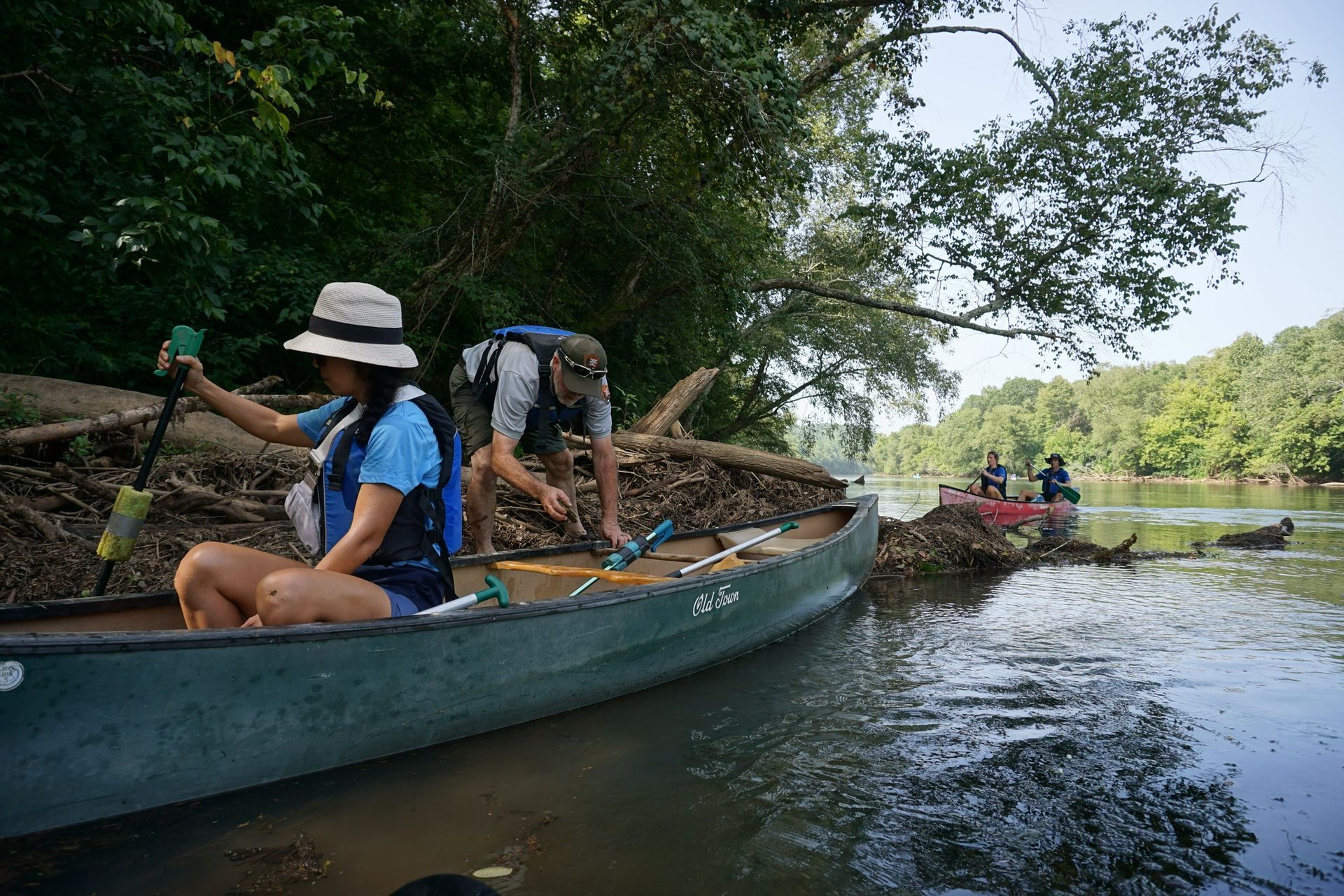
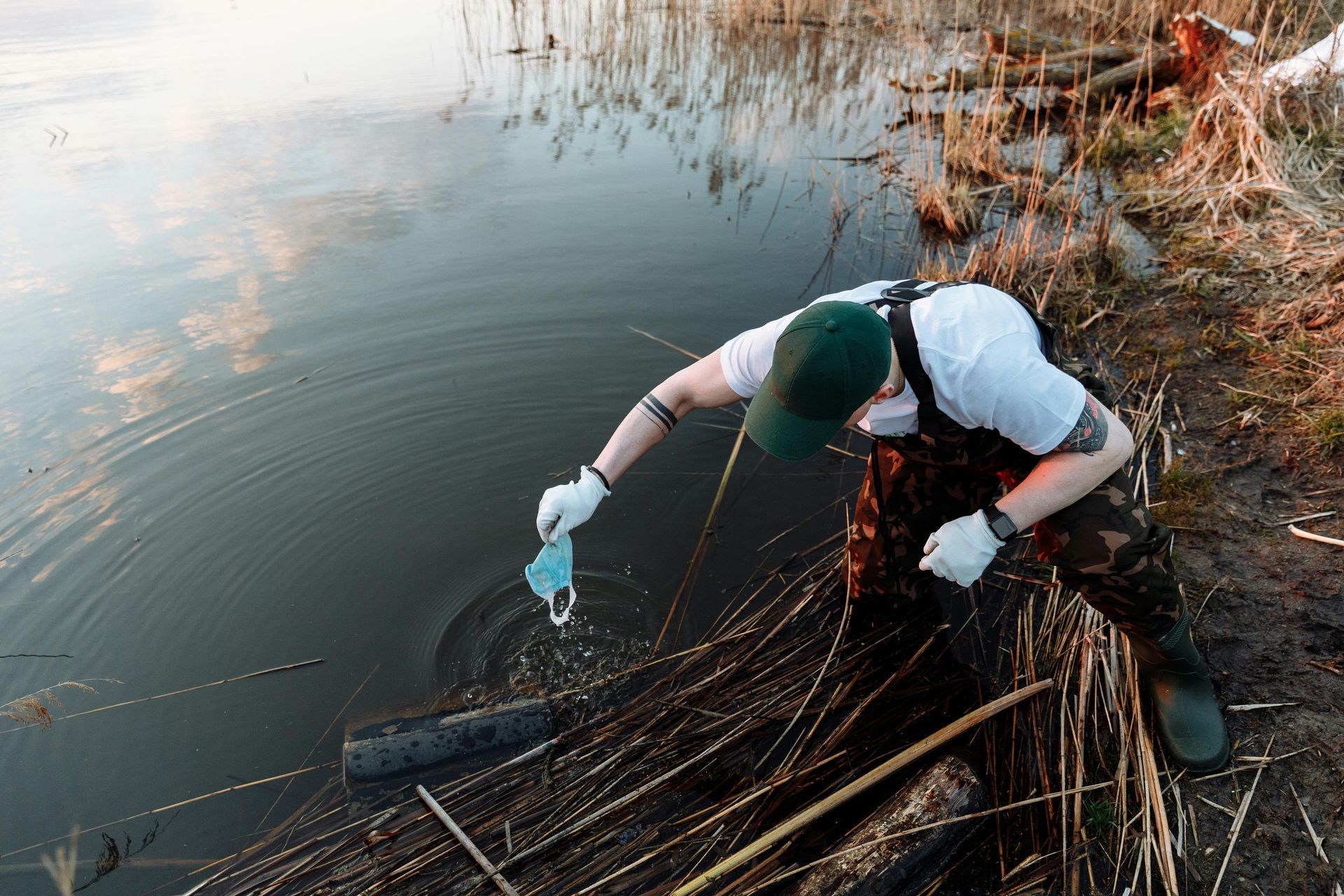
At Chattahoochee National Park Conservancy, we believe that when people connect with the river, they’re more likely to preserve it. That’s why we don’t just talk about conservation, we get people out into the park to experience it firsthand!
Every year, we lead:
- Paddle cleanups to remove trash directly from the river
- Land-based cleanups along trails and riverbanks
- Group hikes to explore lesser-known corners of CRNRA
- Group paddles that build community and confidence on the water
And beyond programming, we invest in projects that reduce erosion, preserve habitat, and ensure the trails that lead to the river are safe and sustainable.
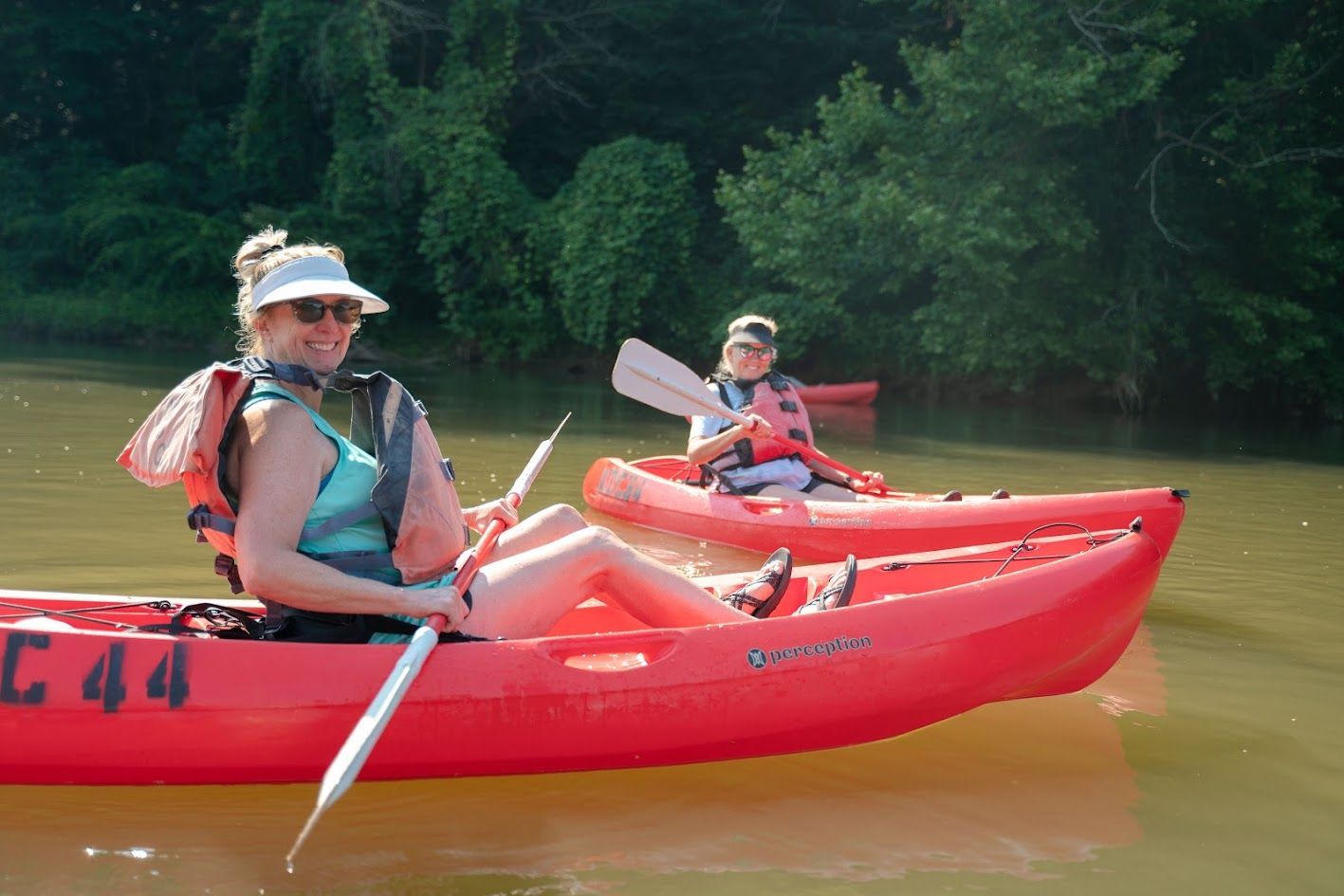
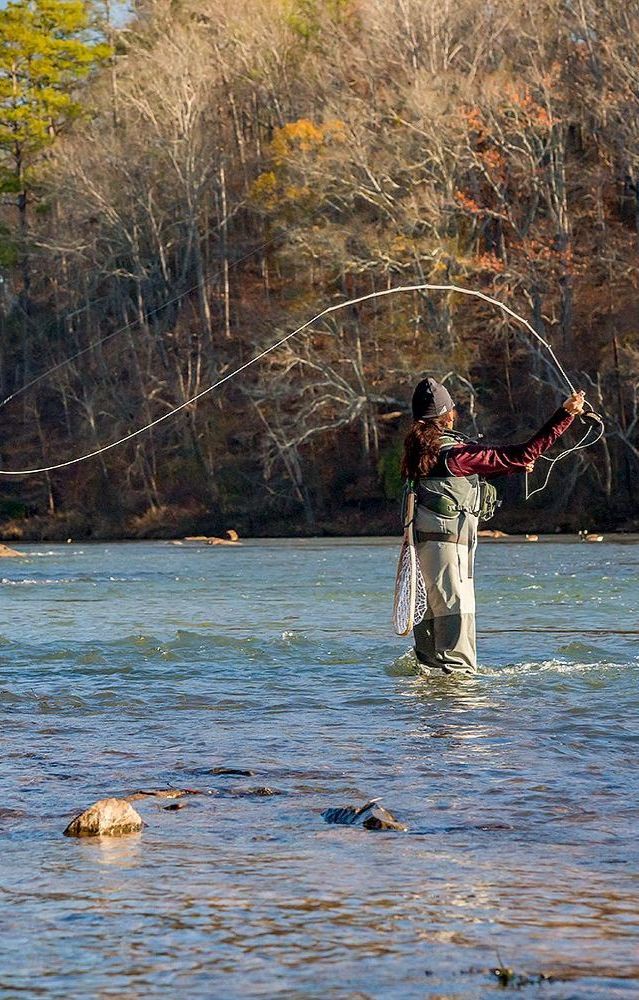
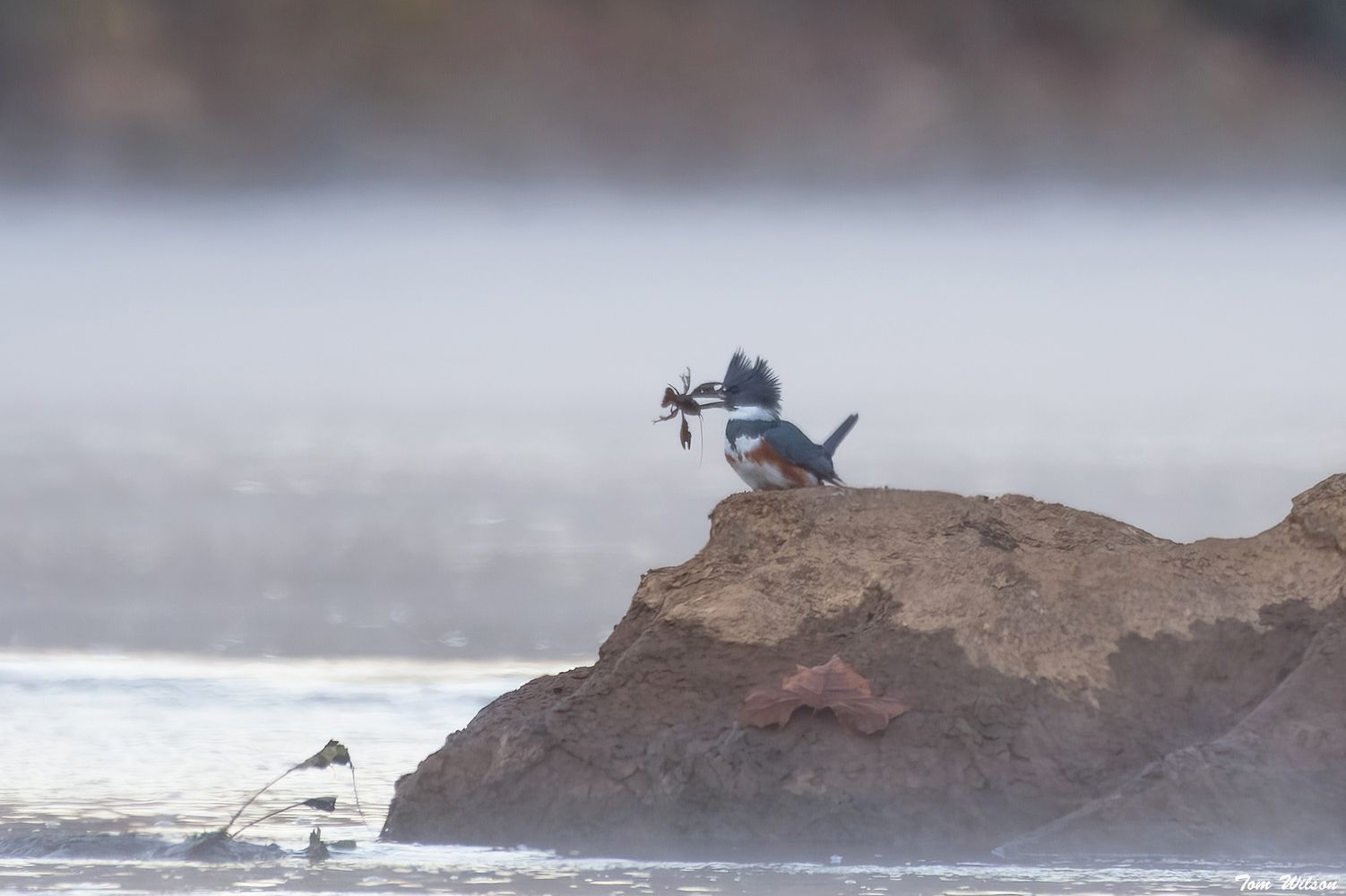
The Chattahoochee’s comeback didn’t happen by accident, it happened because people showed up! They gave their time, their voice, and their resources to protect a river that flows through the lives of millions.
Donate today, join a cleanup, or become a CNPC member and be part of the movement to keep the Chattahoochee clean, healthy, and wild today and for generations to come.
Support Your Local National Park
If you enjoy CRNRA, consider supporting the Chattahoochee National Park Conservancy (CNPC). Your donation helps maintain and improve our beautiful trails and river, ensuring they remain a top destination and escape for metro Atlanta. Every contribution makes a difference in preserving this natural treasure for future generations.
Related Posts