WHAT WE DO
Island Ford Trail Project
Project Update - June 23, 2026:
Island Ford trails are officially open! Following a ribbon-cutting ceremony celebrating the completion of the Island Ford Trail Project, visitors can now enjoy 2.2 miles of new trail, expanded loop options, rehabilitated trail corridors, new pedestrian bridges, an improved trailhead, and enhanced drainage and erosion control measures throughout the unit. These improvements create a safer, more sustainable trail system while expanding opportunities to explore one of Chattahoochee River National Recreation Area's most popular destinations.
A Vision Brought to Life
Island Ford became the first park unit to implement the Comprehensive Trails Management Plan, demonstrating what the future of trails can look like throughout Chattahoochee River National Recreation Area.
Together with the National Park Service, professional trail builders, donors, members, and our community, CNPC transformed aging social trails into a sustainable network designed to protect natural resources while improving the visitor experience.
This project serves as the model for future trail improvements across the park.
Project Highlights
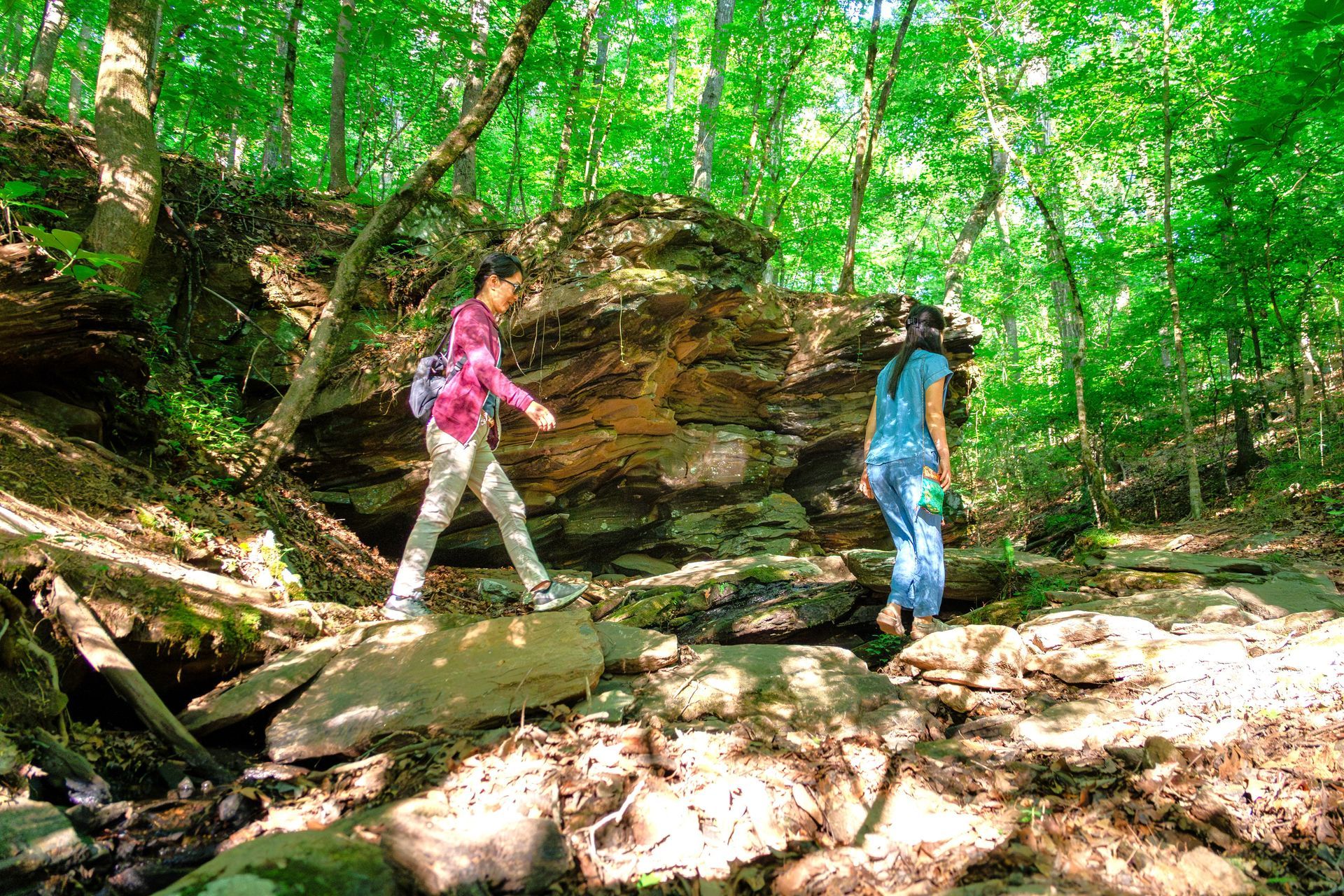
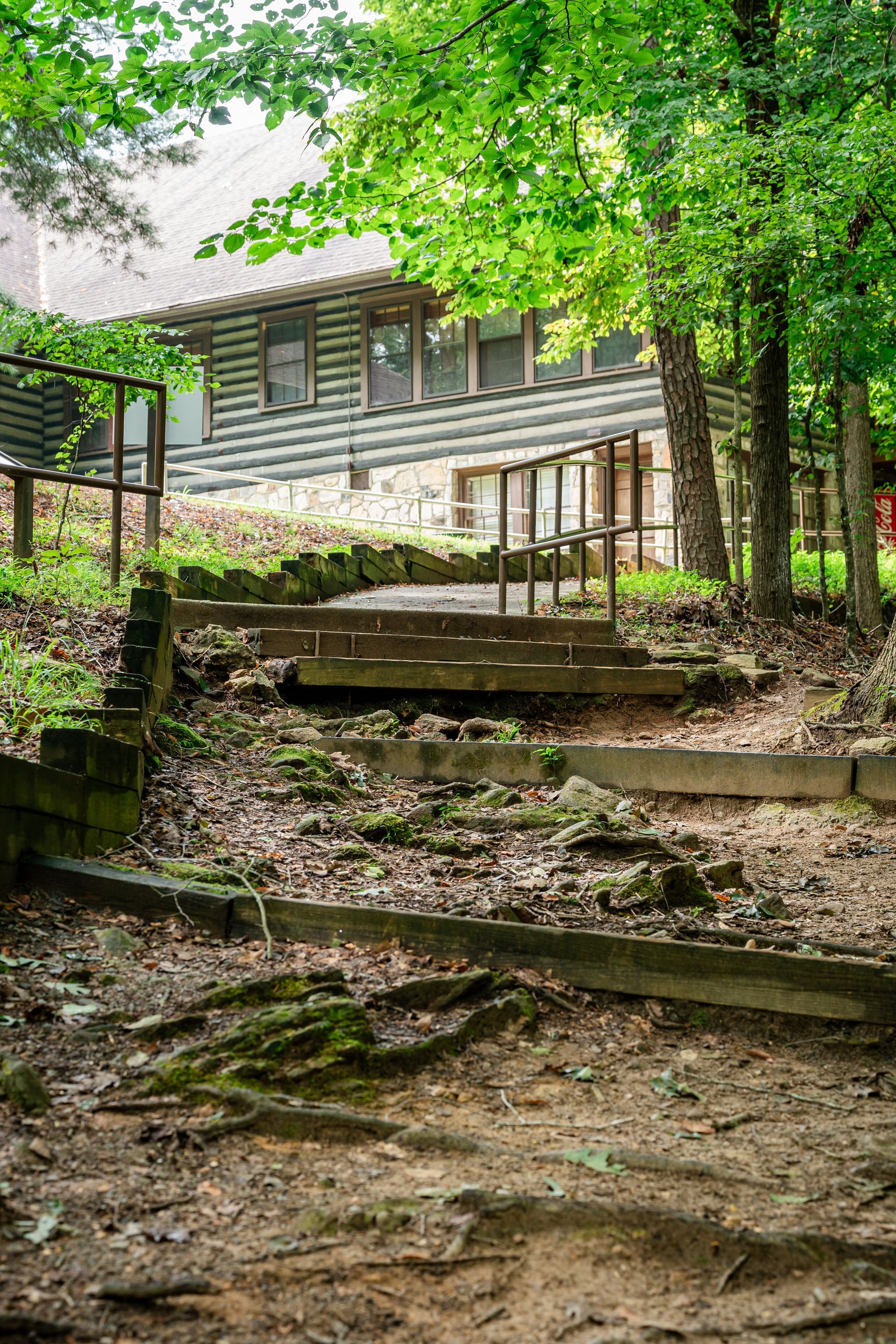
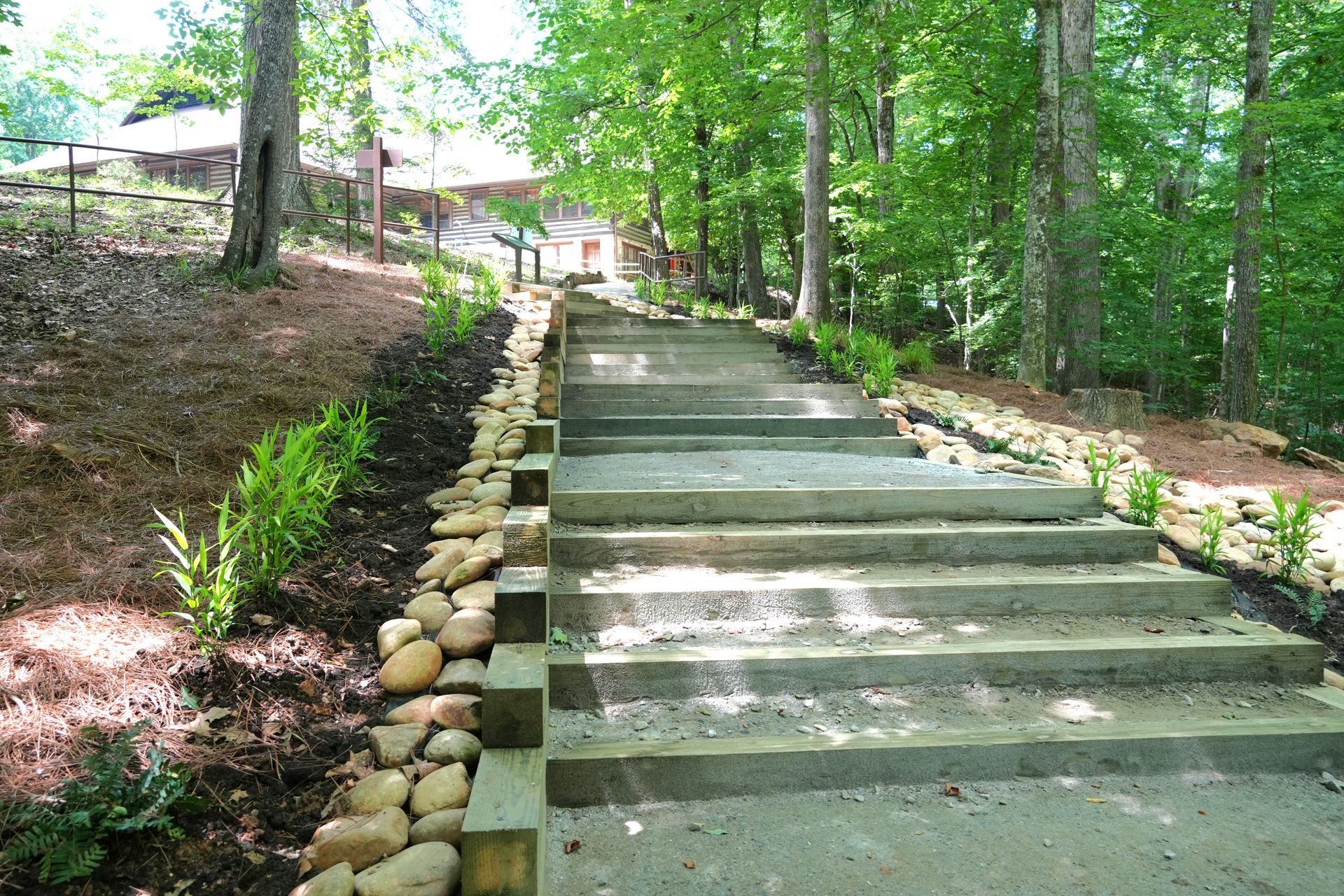
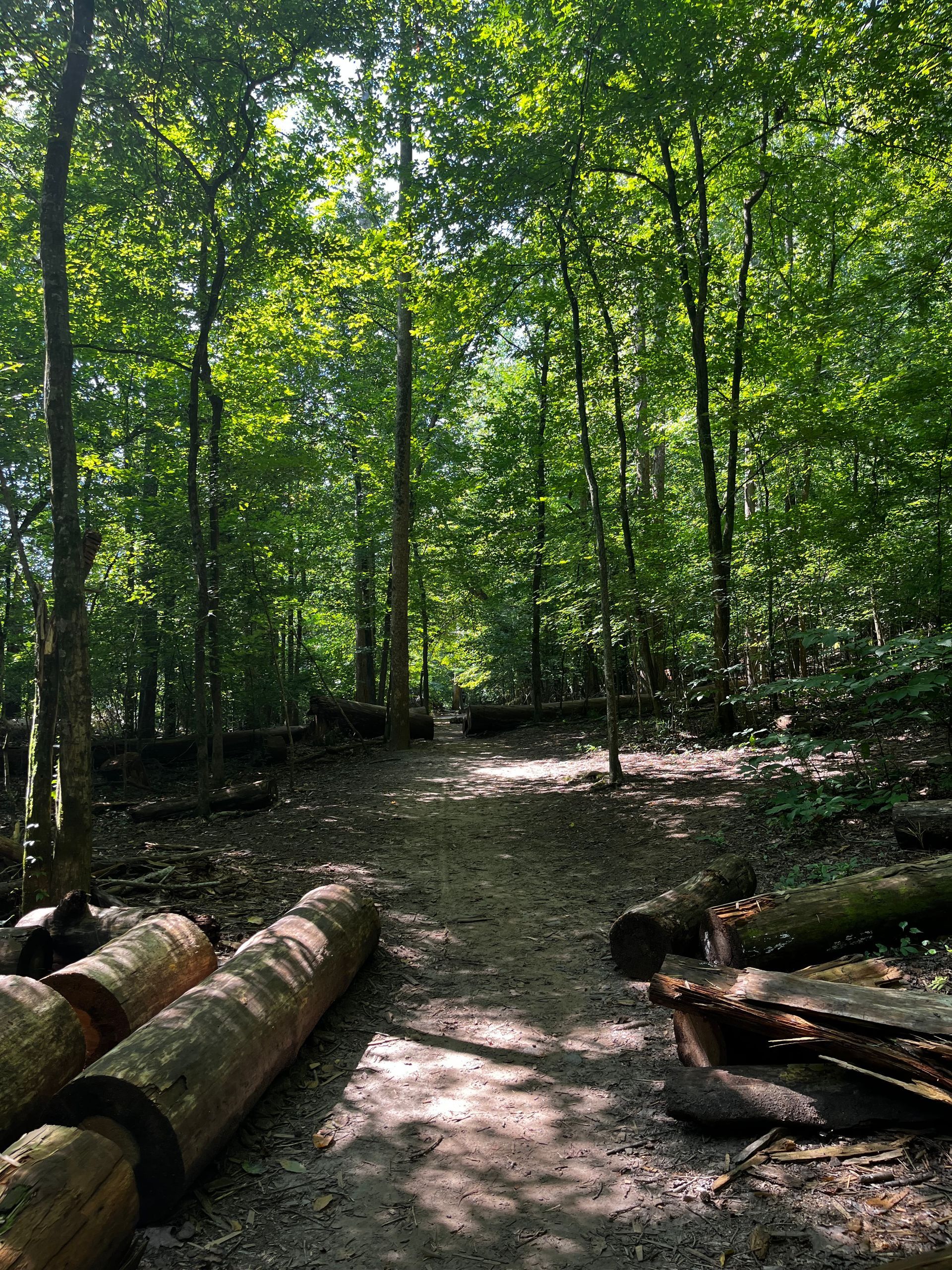
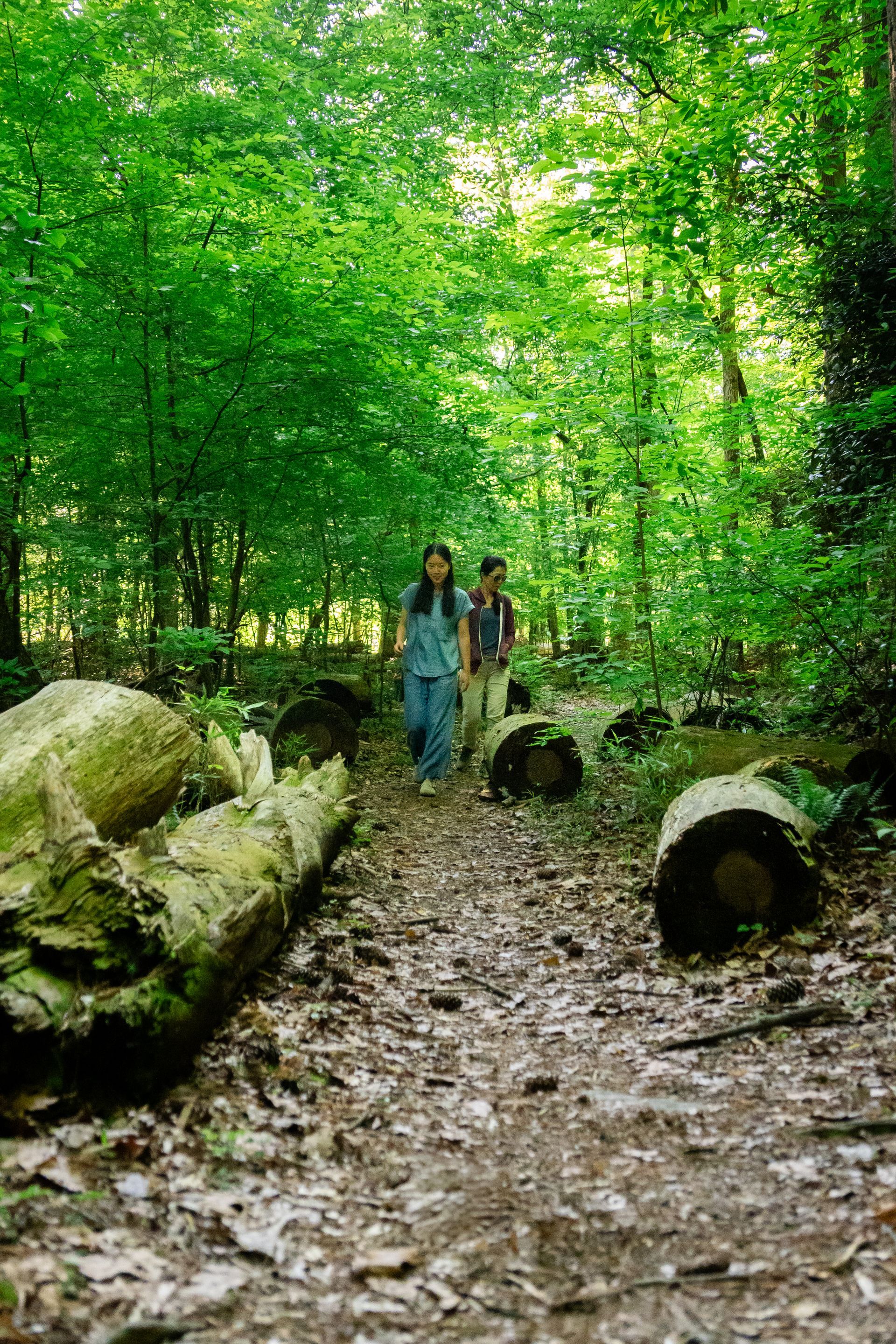
Added 2.2 miles of new hiking trails, expanding the network to 6.4 miles
Restored environmentally sensitive areas through strategic trail closures
Rehabilitated existing trails with sustainable trail tread and drainage
Installed updated wayfinding signage with digital navigation
Project Milestones
Comprehensive Trails Management Plan adopted
Published in 2022 for Chattahoochee River National Recreation Area (CRNRA), the Comprehensive Trails Management Plan outlines a strategy to enhance every trail in the park, aiming for more sustainable pathways and a better experience for visitors. This implementation of a park unit from the Trails Plan transforms vision into reality.
CRNRA, which became a national park in 1978, largely consists of inherited social trails and old roads. It spans 15 land units and boasts 66 miles of trails. With over 3 million annual visitors, these trails urgently need updates to protect the park and improve the experience for everyone. The Trails Plan provides a vision for these critical updates and expands the trail system to 100 miles.
Island Ford, home to park headquarters and Island Ford Visitor Center, leads the way.
Engineering & design completed
The first phase of this project started in early 2024 with an Architecture and Engineering (A&E) study to develop construction documents for trail building, rehabilitation, and closures. CNPC worked with Alta Planning + Design to complete the A&E survey and completion of construction documents. Field work kicked off in August 2024 with Alta identifying optimal trail routes while allowing for essential resource assessments, including archaeological surveys.
Construction begins
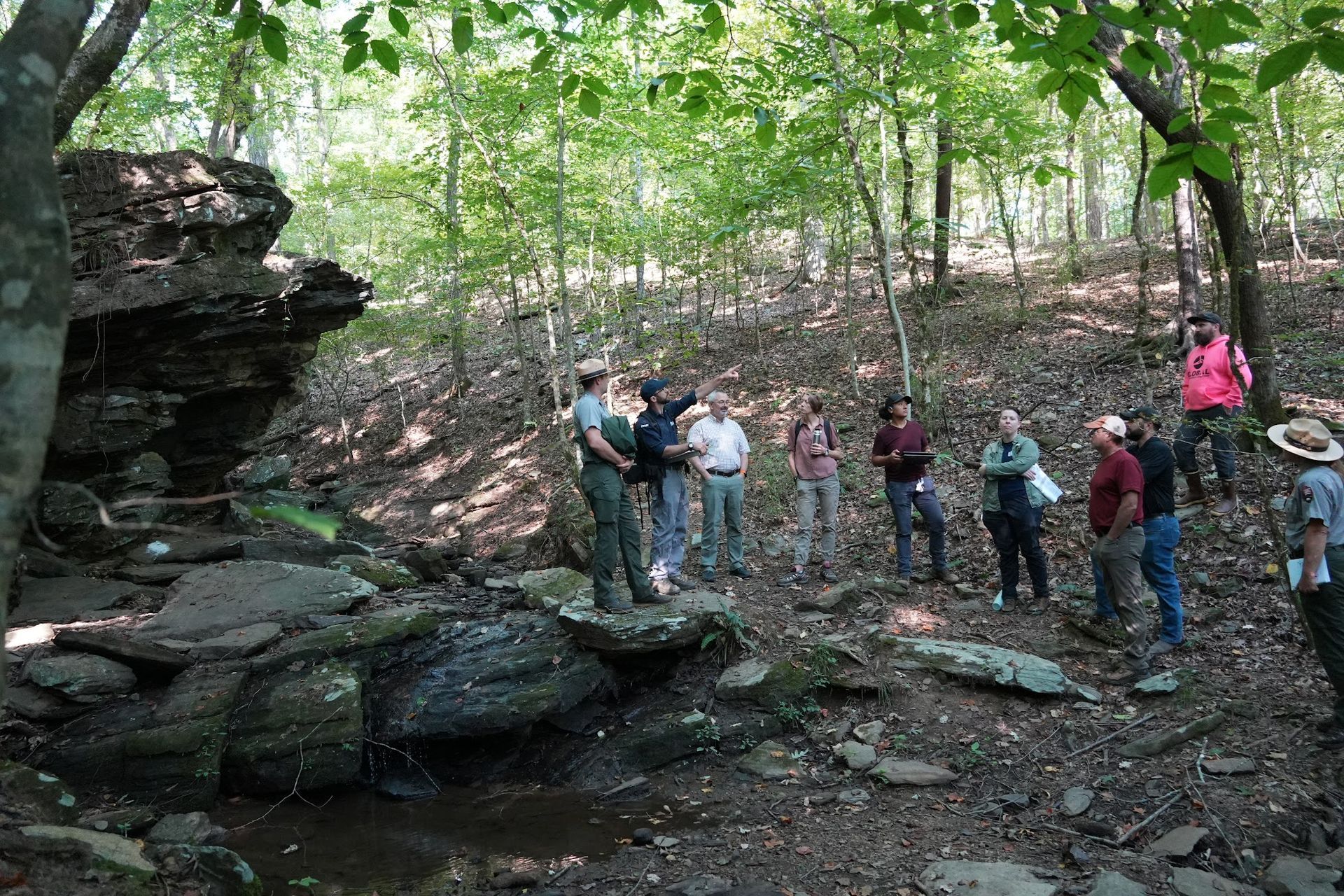
In December 2025, professional trail crews broke ground on the first phase of the project, starting with removal of hazard trees along the trail. Soon after came the construction of new sustainable trails, improving trailheads, installing and replacing pedestrian bridges, and restoring areas impacted by erosion and informal social trails.
New trail system takes shape
As construction progressed, we watched the transformation unfold. New trail connections, wayfinding signage, trail maps, and a new trailhead adjacent to Hewlett Lodge created a safer, more enjoyable experience while enhancing protection of the surrounding landscape.
Project completion & ribbon cutting
The Island Ford Trails Project was officially completed and celebrated with a ribbon cutting ceremony. As the first implementation of the Comprehensive Trails Management Plan, the project now serves as a model for future trail improvements throughout Chattahoochee River National Recreation Area, ensuring visitors can enjoy these trails for generations to come.
Project Videos
What is the Island Ford Trail Project?
CNPC Executive Director Brittany Jones shares an inside look at our new trail project at Chattahoochee River National Recreation Area. She explains why now is the perfect time to expand and improve the trail system, why these specific trails were chosen, and what visitors can expect once they’re complete. From sustainable design to thoughtful planning, Brittany highlights how CNPC is creating trails that protect the land, enhance the park experience, and ensure these spaces can be enjoyed for generations to come.
What goes into building a sustainable trail system?
Join CNPC Executive Director Brittany as she walks a brand-new trail under construction with Aaron from Tailored Trails, our expert trail builder. They dive into the careful balance involved in trail design and how to protect and restore the land while also creating a safe, enjoyable experience for visitors. This behind-the-scenes look shows how every decision, from route planning to construction techniques, considers both the needs of the environment and the people who will use the trail.
What does this project mean to park visitors?
Meet Mary, a daily visitor at Island Ford who views these trails as a place to breathe deeply and step away from the stress of everyday life. Like so many in our community, she finds peace here among the trees, by the river, and in the simple rhythm of walking the trail. Over time, she’s become a familiar face at the Island Ford Visitor Center and to the CNPC team, and part of the community that makes this park feel like home.
That’s why trail improvements at Island Ford matter so much. Restored trails will protect this special landscape, make it safer and more welcoming, and ensure that everyone in our community — from longtime visitors like Mary to first-time explorers — can find their own moments of peace and connection.
Why are some trails closing?
Join Brittany as she explains the purpose behind trail closures and reroutes at Island Ford. From protecting sensitive landscapes to improving safety and long-term sustainability, Brittany shares why these temporary changes are an important part of creating a better trail experience for visitors and a healthier future for the park. This behind-the-scenes look at one section of trail explores how new trail construction is carefully planned and built with both environmental stewardship and visitor enjoyment in mind.
How will trails be easier to navigate?
Join CNPC’s Marketing & Membership Manager, Erin Tallent, as she shares an overview of the updated trail signage coming to Island Ford as this exciting project comes to a conclusion. From updated map posts to new wayfinding signage featuring official trail names, these improvements are designed to help visitors navigate the park more confidently and enjoy a more connected trail experience. Erin also highlights the new QR codes placed throughout the unit, allowing visitors to easily access the trail map from wherever they are in the park. This behind-the-scenes look explores how thoughtful signage and navigation tools can improve safety, accessibility, and the overall visitor experience while supporting the future of the park’s trail system.
How does the new trailhead welcome visitors?
Join Brittany for a behind-the-scenes look at the new trailhead construction taking shape adjacent to the Island Ford Visitor Center. Designed to address erosion and improve the overall visitor experience, the updated trailhead will feature more sustainable access to the trail system, including improved grading and new timber steps. Brittany shares how this final phase of the Island Ford Trails Plan project is helping create a safer, more resilient, and more welcoming starting point for visitors exploring the park.
Reviving Our Trails,
Renewing Our Park
This project represents a significant and long-term commitment to enhancing the trails and overall experience in Chattahoochee River National Recreation Area - and is CNPC’s largest single investment in the CRNRA to-date.
Ongoing support from our community is essential to ensuring our trails are safe, enjoyable, and sustainable for all users. Every dollar donated will go directly towards the planning, construction, and maintenance of trails within CRNRA.
Frequently Asked Questions (FAQ)
How will this project make a difference for our national park?
This project will achieve the park’s first Trails Plan implementation, kickstarting a 10+ year effort to address every single trail in the CRNRA to provide more sustainable, safe, and enjoyable trails for all park users. By implementing the project, the experience for all park users will be enhanced and provide a place for users to recreate proudly.
Why is this project necessary now?
This project is necessary now because the current trail conditions in the CRNRA have deteriorated due to increased usage and natural wear and tear. Implementing this project now will prevent further degradation, ensuring that the trails remain safe, accessible, and enjoyable for all users. Additionally, addressing these issues proactively will reduce long-term maintenance costs and preserve the natural beauty of the park.
How will this project benefit the local community?
This project will benefit the local community by providing enhanced recreational opportunities, fostering a stronger connection to the outdoors, and promoting physical and mental well-being. By improving trail accessibility and safety, more people of all ages and abilities will be able to enjoy the park. The project will also attract more visitors, supporting local businesses and boosting the local economy.
How will this project benefit the environment?
The environmental benefits of this project include reducing erosion, protecting native plant and animal habitats, and improving water quality in the park. By implementing sustainable trail design and construction practices, the project will minimize human impact on the environment, ensuring that the park's natural resources are preserved for future generations.
How will the trails be maintained overtime?
The new trails are designed for sustainability and high visitation, meaning they’ll require less maintenance than current trails. NPS has committed to
regular upkeep through its operational budget and will use a proactive maintenance manual to monitor and address issues early. For larger needs, NPS can request agency support, with CNPC ready to assist when possible.
Other Questions
Have another question? Contact us for more information.