Presidents Day: How Presidents Have Shaped Our Public Lands & Waters

On Presidents Day, we often think about leadership, legacy, and the long arc of decisions that shape our country. One of the most enduring legacies of U.S. presidents is the protection of public lands! From sweeping conservation movements to the creation of specific parks and trails, presidential leadership has played a pivotal role in making sure that places like Chattahoochee River National Recreation Area (CRNRA) remain protected and accessible.


The Presidency and the Birth of Public Lands


Since the late 1800s, presidents have used their authority to conserve land for the public good. Today, the National Park System includes more than 430 sites that protect landscapes, ecosystems, historic places, and waterways, many of which exist because a president chose long-term stewardship over short-term gain. Beyond preserving scenic areas, these decisions were about clean water, public access, community well-being, and the belief that nature should belong to everyone.


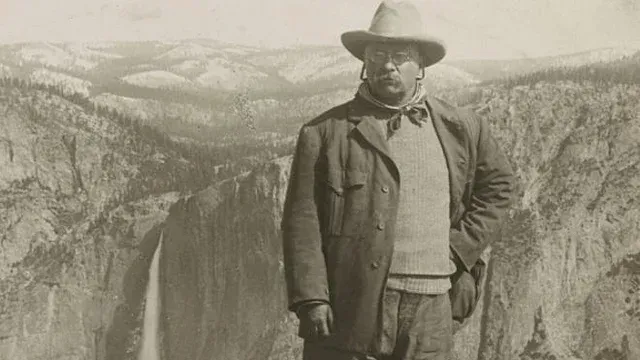
Theodore Roosevelt: The Conservation President

No conversation about presidents and parks is complete without Theodore Roosevelt. During his presidency, Roosevelt protected more than 230 million acres of public land, dramatically expanding the national park system and setting the foundation for modern conservation in the United States.


Roosevelt believed that access to nature strengthened individuals and the nation as a whole. His leadership helped establish the idea that protecting land and water is an obligation and responsibility.

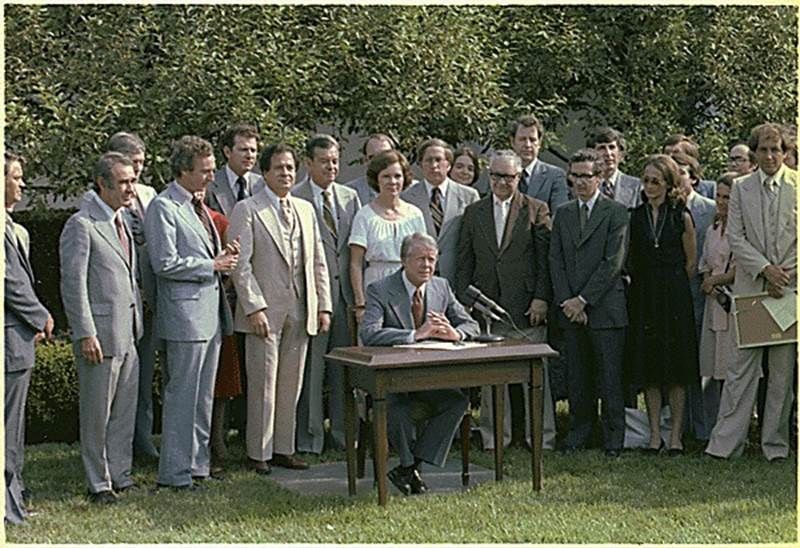
Jimmy Carter: Establishing CRNRA

Closer to home, President Jimmy Carter played a defining role in the creation of Chattahoochee River National Recreation Area, which was established in 1978. At a time of rapid development in metro Atlanta, Carter recognized the importance of protecting the Chattahoochee River corridor as both a natural refuge and a vital water resource.


CRNRA was envisioned as a place where conservation and community could coexist, and here millions of people could hike, paddle, fish, and reconnect with nature just minutes from the city. More than four decades later, that vision continues to guide how the park is stewarded and experienced.

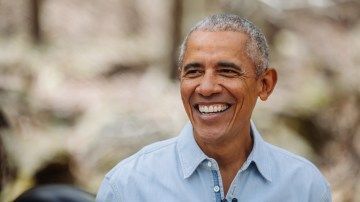
Barack Obama: The First National Water Trail

In 2012, President Barack Obama designated the Chattahoochee River Water Trail as the first National Water Trail in the United States, recognizing the river’s national significance for recreation, ecology, and public access.


This designation elevated the Chattahoochee as a model for how urban rivers can be protected and enjoyed, while reinforcing the importance of clean water, safe access points, and inclusive outdoor recreation.


Why This Legacy Matters Today

At Chattahoochee National Park Conservancy (CNPC), our mission is to build community, enrich lives, and catalyze support to ensure a sustainable national park for future generations. The actions of these presidents — Roosevelt, Carter, and Obama — made it possible for CRNRA to exist as it does today.

Their leadership reminds us that protecting public lands is a shared responsibility. Presidents may help establish and expand parks, but it’s communities, partners, and supporters who ensure these places remain cared for, accessible, and resilient over time.


This Presidents Day, as we enjoy a fee-free visit or a walk along the river, we’re grateful for the leadership that helped protect these lands, and for everyone who continues that legacy by supporting our national parks today!


Support Your Local National Park

If you enjoy CRNRA, consider supporting the Chattahoochee National Park Conservancy (CNPC). Your donation helps maintain and improve our beautiful trails and river, ensuring they remain a top destination and escape for metro Atlanta. Every contribution makes a difference in preserving this natural treasure for future generations.

Support CRNRA

Related Posts

February 2, 2026
At Chattahoochee National Park Conservancy (CNPC), our mission is to build community, enrich lives, and catalyze support to ensure a sustainable national park for future generations. A core part of that work is helping increase access to Chattahoochee River National Recreation Area (CRNRA), so that everyone feels welcome, represented, and connected to this incredible public space! This Black History Month, we’re reflecting on the deep and often overlooked connections between Black history and the outdoors, while also uplifting local organizations that are actively expanding access, building community, and enriching lives through outdoor experiences today. Exploring Access and Visibility: Who Gets to Feel Welcomed in Outdoor Spaces? For generations, the outdoors has been a place of freedom, healing, resistance, and joy for all. Yet systemic barriers like segregation, exclusion from public lands, and ongoing inequities have limited access and visibility in outdoor spaces for people of color. Today, Black-led and BIPOC-centered outdoor organizations are helping change that reality. Through intentional programming, shared experiences, and community-led leadership, these groups are creating entry points into nature that feel welcoming and safe. Their work aligns closely with CNPC’s belief that access to the outdoors strengthens not only individuals, but the community as a whole.
January 28, 2026
Cover image by Sebastian Hagan Each year on World Wetlands Day (February 2), we pause to celebrate some of the hardest-working ecosystems on the planet. Wetlands may not always get the spotlight like mountaintops or waterfalls, but here at Chattahoochee River National Recreation Area (CRNRA), they quietly (and powerfully!) do it all. From filtering our water to protecting wildlife and people alike, wetlands are essential to the health of the river and the communities that surround it.
January 8, 2026
Whitewater Creek, Island Ford, Gold Branch… why do they all have different names? Aren’t they all part of CRNRA? Yep, they are! It’s a common question! Chattahoochee River National Recreation Area (CRNRA) is made up of 15 separate park "units," or individual greenspaces, scattered along 48 miles of the Chattahoochee River. Unlike many national parks that are one big, connected space, CRNRA is made up of individual pieces of land, like a string of pearls scattered along the river. Each unit is its own distinct park area, with its own trailheads, river access points, and natural features. So when someone says they visited “CRNRA,” that could mean they went to: Island Ford (home to the Visitor Center) Palisades (popular for hiking and views) Paces Mill, Vickery Creek, Bowmans Island, Cochran Shoals... and many more! This setup can be confusing because the park isn’t one continuous space — you might drive 10 or 20 minutes between units. But together, they make up the full and beautiful Chattahoochee River National Recreation Area! Want to explore them all? Check out our interactive map and full list of park units on our website to discover a new favorite spot along the river!