The Chattahoochee River: A Lifeline Through Native American History
Native American History In Chattahoochee River National Recreation Area
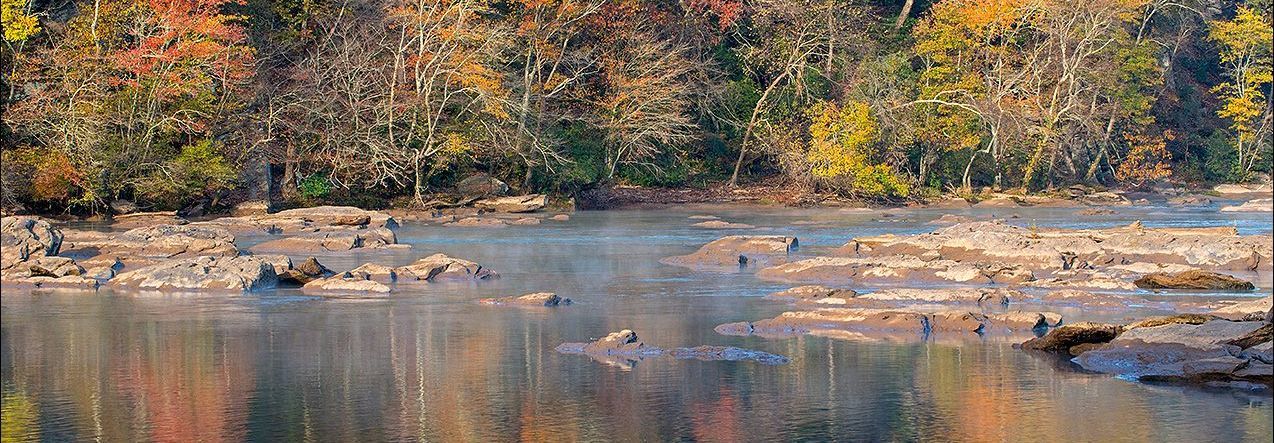
The Chattahoochee River has been a lifeline for people living in its watershed for thousands of years. From its role as a source of food and water to a route for transportation, the river has shaped the lives of both Indigenous peoples and settlers who came after. As we honor Native American Heritage Month, it’s important to reflect on the deep connection that tribes like the Muscogee (Creek) and Cherokee had with the river and the surrounding land. Their history, presence, and stewardship of this region have left a lasting legacy that continues to influence the area today.
Indigenous peoples were the first to use the river as a source of water, food, and transportation. Their villages were often located near the river, where they could farm, fish, and hunt in the surrounding forests. Over time, some of these sites were used for generations thanks to the river’s reliable resources.
Archaeologists have found that the Woodland period (1000 BC–900 AD) saw the most significant activity along the river, with villages and camps flourishing along its banks. Later, during the Mississippian period (900 AD–1600 AD), Muskogean-speaking tribes, like the ancestors of the Muscogee (Creek), built fortified villages near the river as conflicts increased, partly due to the invention of the bow and arrow.
The arrival of Europeans in the 1500s brought significant challenges for these Native American communities, including diseases, warfare, and the devastating impact of the Native American slave trade. These pressures led to the decline of many Mississippian societies, with survivors forming the historical Muscogee (Creek) and Choctaw tribes.
In the 19th century, as settlers pushed Native Americans off their lands, important Creek and Cherokee villages like Buzzard Roost and Standing Peachtree were found along the river. Despite treaties and forced removal, some Cherokee families stayed in the area, operating ferries after buying back their land from white settlers. As the gold rush of the 1820s brought more settlers to the region, new towns like Roswell and Marietta sprang up, with the river continuing to serve as a vital resource, much like it had for the Indigenous peoples who came before.
This month and beyond, we honor the Muscogee (Creek), Cherokee, and other Indigenous peoples who shaped this region. As we explore Chattahoochee River National Recreation Area, may we do so with gratitude for those who walked these lands before us and a commitment to protect them for future generations - a reminder that conservation isn’t just about preserving nature, but also respecting and uplifting the cultural heritage tied to it!
Support the Park You Love
If you share our commitment to protecting these sacred lands and stories, please consider donating to support our work. Together, we can ensure the Chattahoochee River National Recreation Area remains a space where both nature and history thrive.
Support Your Local National Park
If you enjoy CRNRA, consider supporting the Chattahoochee National Park Conservancy (CNPC). Your donation helps maintain and improve our beautiful trails and river, ensuring they remain a top destination and escape for metro Atlanta. Every contribution makes a difference in preserving this natural treasure for future generations.
Related Posts