National Park vs. National Recreation Area: What's the Difference?
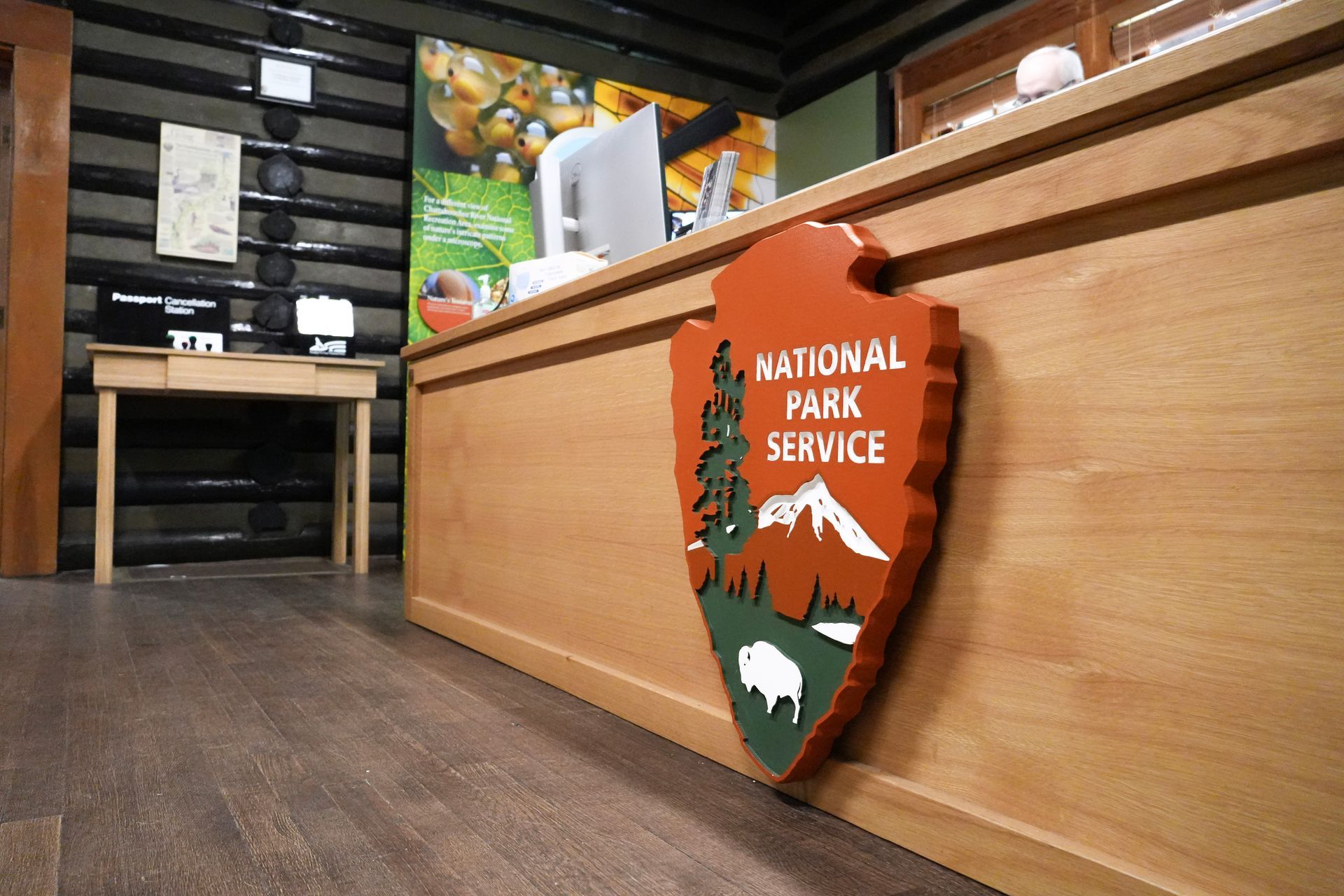
Ever wondered why CRNRA is often called the national park in Atlanta's backyard? The National Park Service (NPS) includes many different types of parks, like National Parks, National Recreation Areas, National Battlefields, and National Historic Sites. Each type has its own special focus, but they all belong to the same national park system. So, even though the Chattahoochee River National Recreation Area (CRNRA) does not have "National Park" in its name, it and all 430+ units of NPS are considered national parks! In fact, there are 12 national parks in Georgia alone, all playing an important role in preserving our natural and cultural heritage and here to be enjoyed, learned from, and inspired by!
So, why not name them all National Parks? The naming designations for these units often reflect their primary purpose or the type of resources they protect or how the park was created (either by an Act of Congress or through a Presidential proclamation). Let's explore a few popular national park designations!
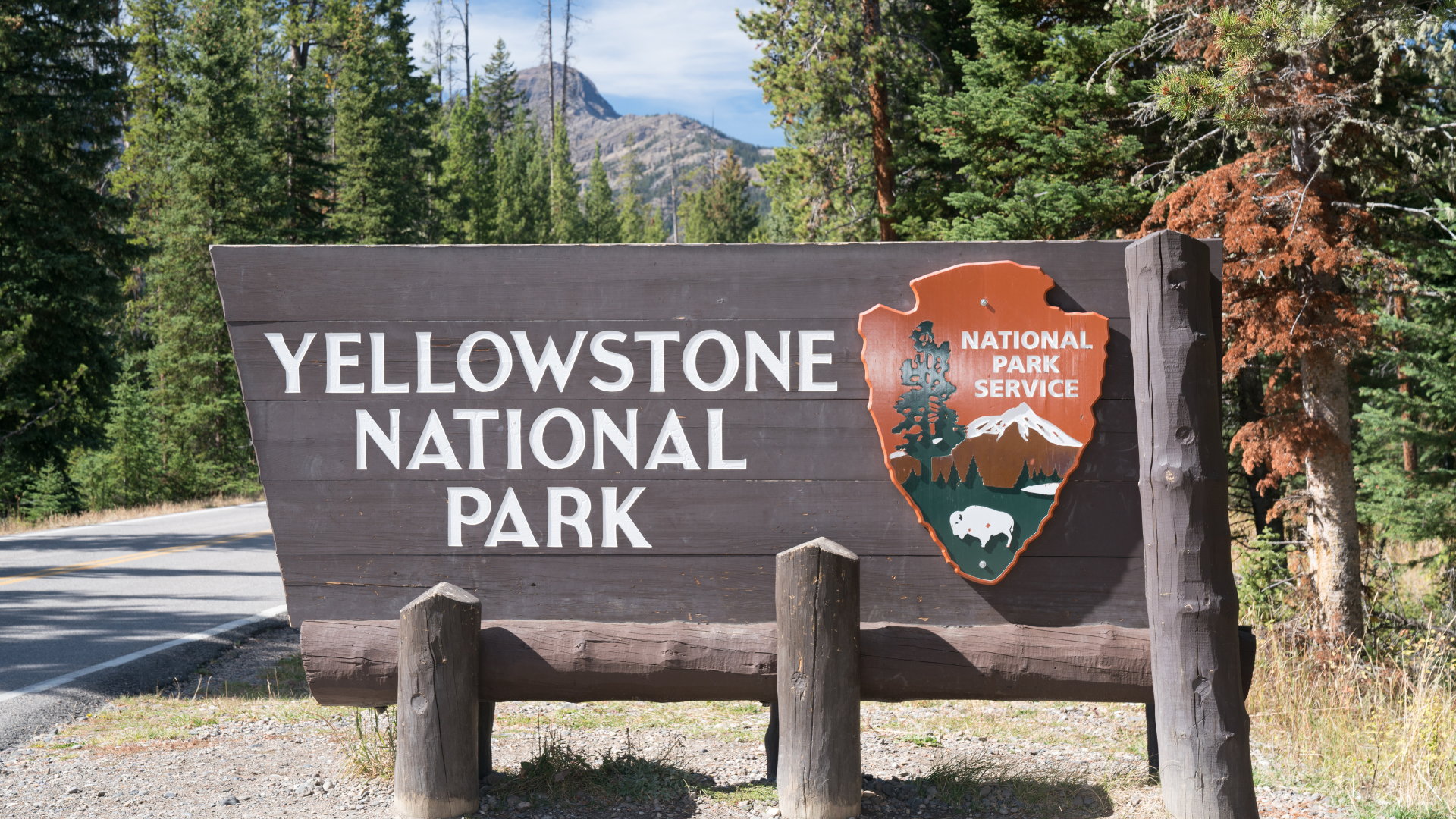
National Parks
National Parks are perhaps the most well-known type of park within the NPS. They are designated to protect areas of stunning natural beauty, unique geological features, and diverse ecosystems. Think of places like Yellowstone, the world’s first national park, and Yosemite, famous for its beautiful granite cliffs and waterfalls. National Parks are often large expanses of wilderness that offer visitors a chance to experience the beauty and diversity of America's landscapes, often through activities like hiking, camping, and wildlife viewing.
National Recreation Areas
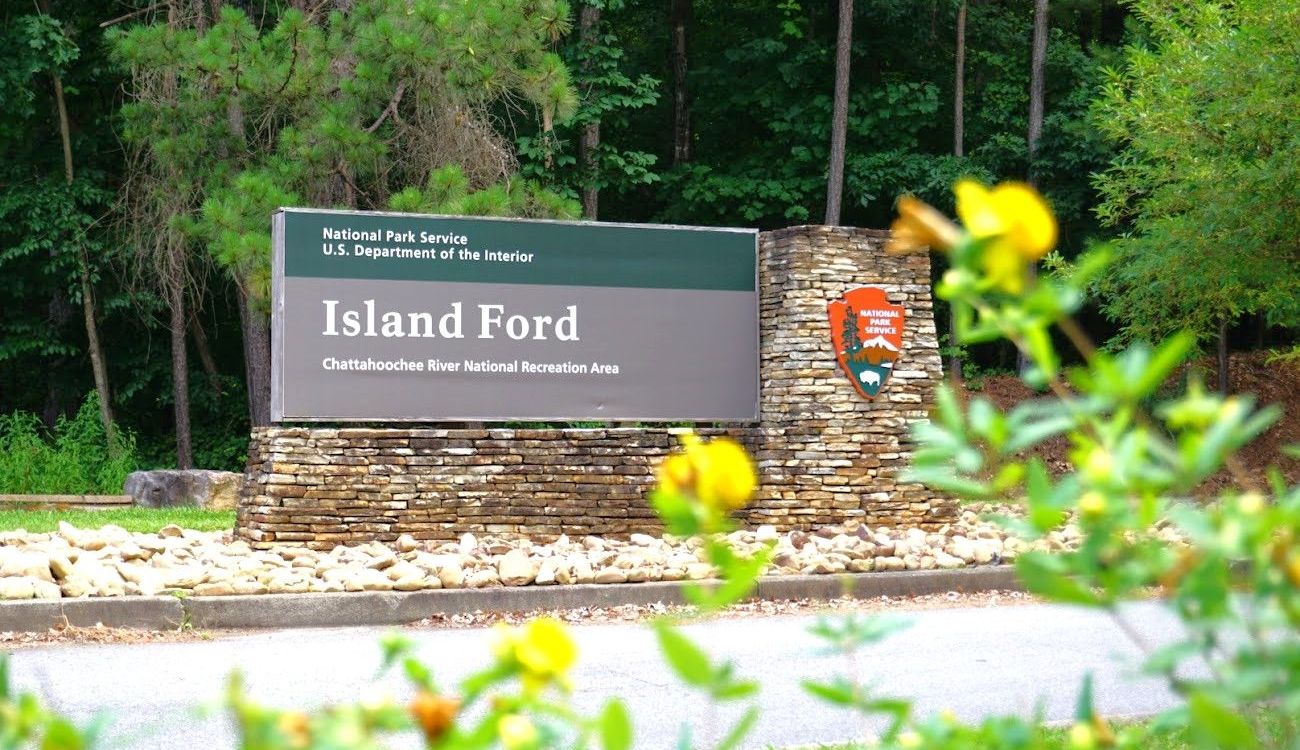
National Recreation Areas like CRNRA are often focused on providing opportunities for outdoor recreation and are usually located near large reservoirs or urban areas. CRNRA, for example, stretches along 48 miles of the Chattahoochee River, offering a natural escape for millions of visitors each year, right in the heart of metropolitan Atlanta. National Recreation Areas are designed to balance conservation with recreation, providing spaces for activities like boating, fishing, hiking, and picnicking, while still protecting the natural environment.
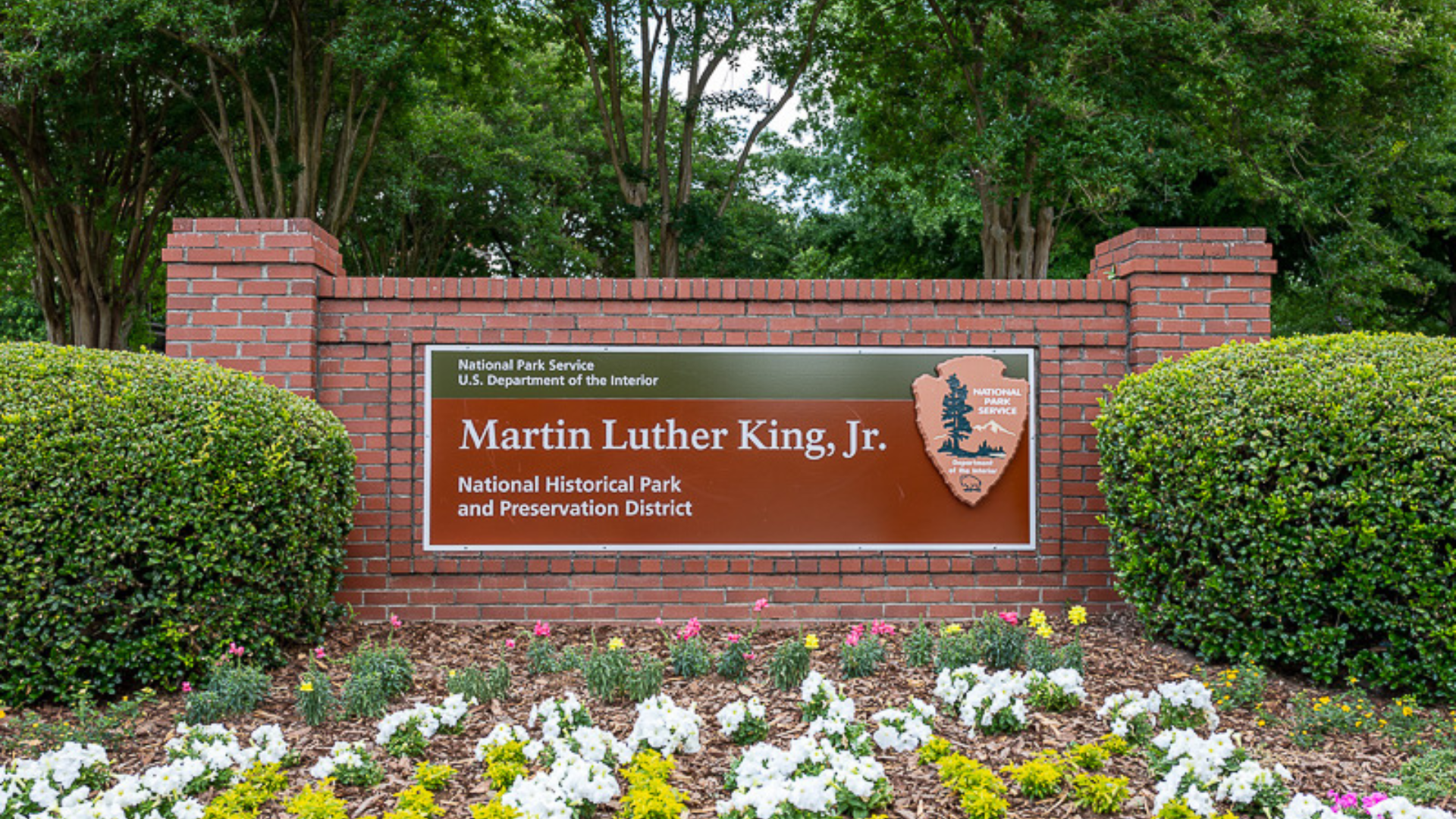
National Historic Parks & National Historic Sites
National Historic Sites and National Historical Parks focus on preserving locations of significant historical importance. These sites often commemorate the lives of influential figures or events that shaped our nation's history. For instance, the Martin Luther King, Jr. National Historical Park in Atlanta preserves the home and church of the civil rights leader, while Ocmulgee Mounds National Historical Park in Macon protects ancient Native American earthworks dating back thousands of years.
National Battlefields & National Battlefield Parks
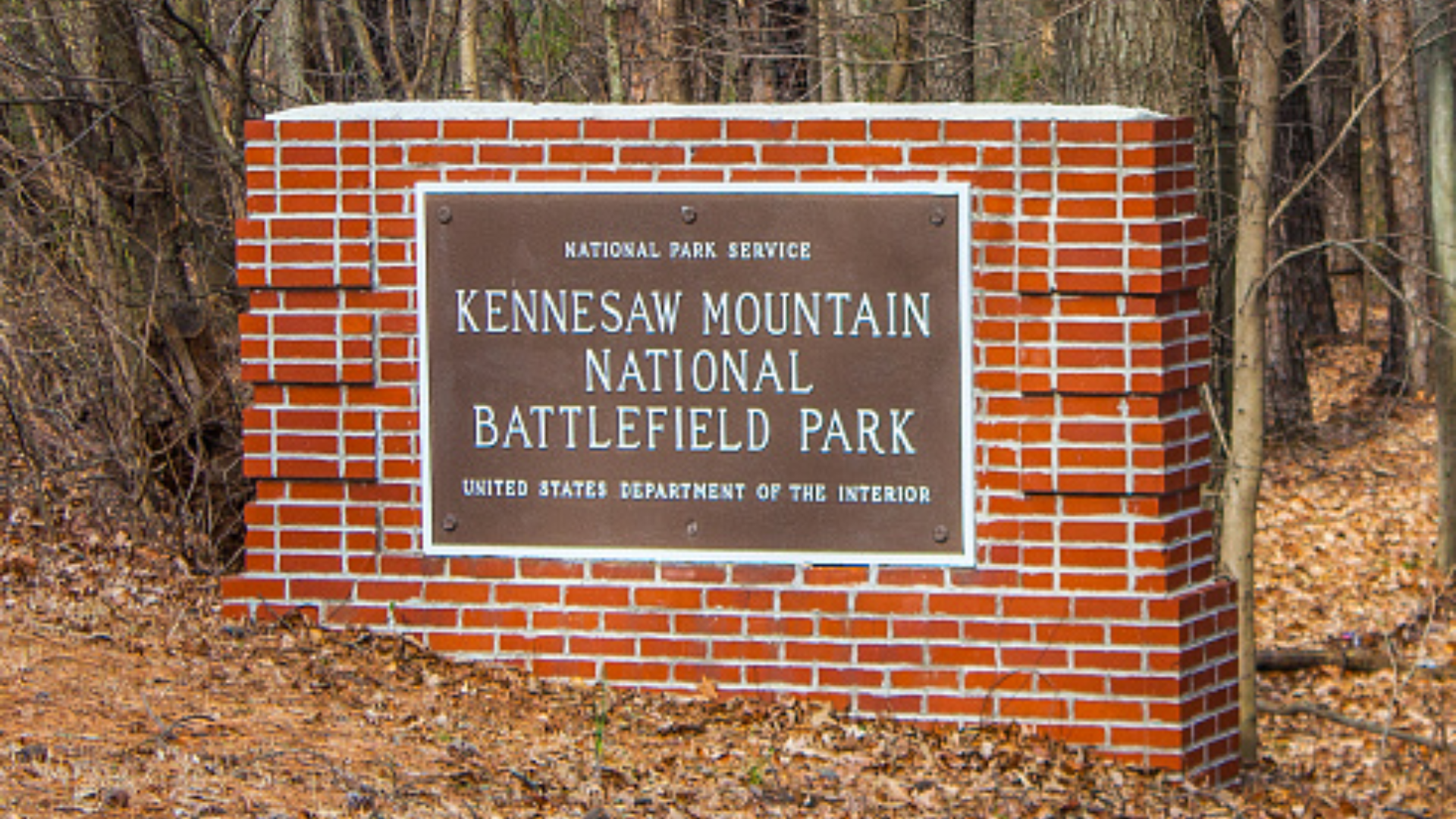
National Battlefields preserve and protect the sites of important battles in American history. These parks serve as solemn reminders of the conflicts that have shaped our nation. Kennesaw Mountain National Battlefield Park, located in Kennesaw, Georgia, is a prime example, offering visitors the chance to explore Civil War battlegrounds and learn about the strategies and sacrifices of the soldiers who fought there.
Each of these designations (and the many more titles within NPS) help clarify the main focus and intended use of the site, but all are managed the same way and are integral parts of the national park system. Each park contributes to the mission of preserving the natural and cultural heritage of the United States for the enjoyment, education, and inspiration of this and future generations.
No matter the designation, our national parks are all here to help us connect with our history, nature, and the incredible stories that make up the fabric of our nation. So next time you're enjoying the natural beauty or historical significance of an NPS site, remember that you're part of something much bigger - a nationwide effort to preserve America's most cherished places.
Support Your Local National Park
If you enjoy CRNRA, consider supporting the Chattahoochee National Park Conservancy (CNPC). Your donation helps maintain and improve our beautiful trails and river, ensuring they remain a top destination and escape for metro Atlanta. Every contribution makes a difference in preserving this natural treasure for future generations.
Support Your Local National Park
If you enjoy CRNRA, consider supporting the Chattahoochee National Park Conservancy (CNPC). Your donation helps maintain and improve our beautiful trails and river, ensuring they remain a top destination and escape for metro Atlanta. Every contribution makes a difference in preserving this natural treasure for future generations.
Related Posts