How Atlanta's Great Ramblin' Raft Race Spurred a Movement to Conserve the Chattahoochee
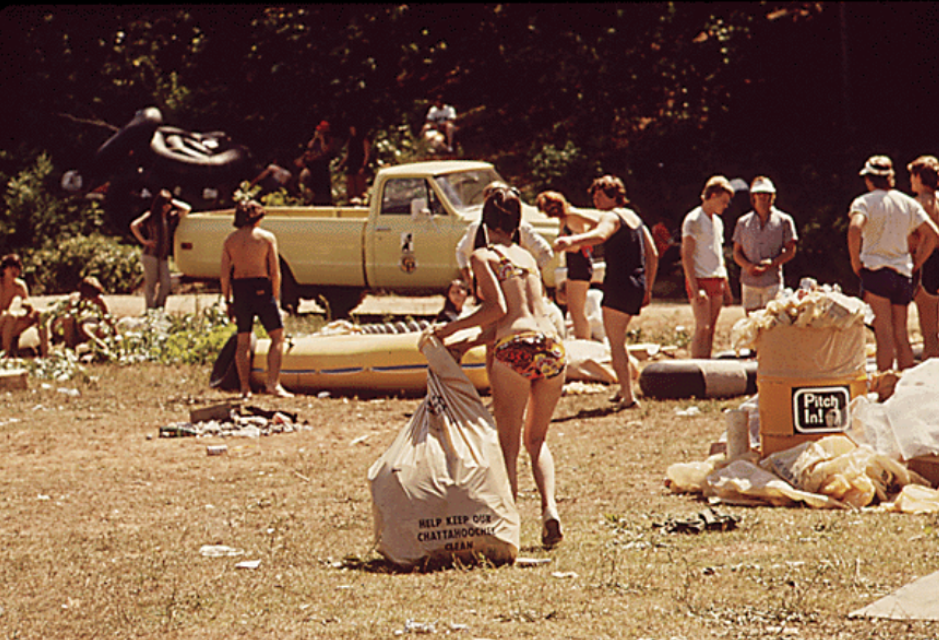
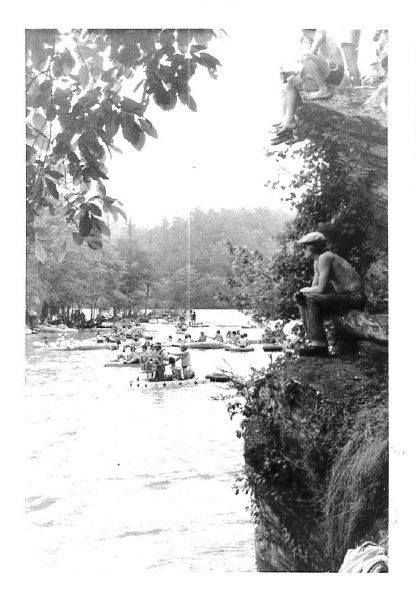
The Great Ramblin’ Raft Race, first held in 1969, became a beloved tradition for thousands of Atlantans who gathered to float down the Chattahoochee River each summer. The event was born from the imagination of Georgia Tech student Larry Patrick, who, with the Delta Sigma Phi fraternity, organized the first race down the river from Morgan Falls. What began as a quirky, off-the-beaten-path gathering of 55 competitors and 2,500 spectators quickly grew into one of the city’s largest and most anticipated annual events.
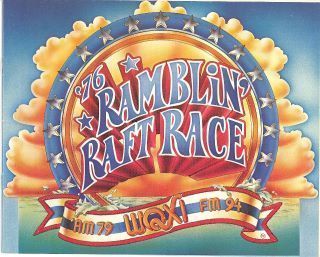
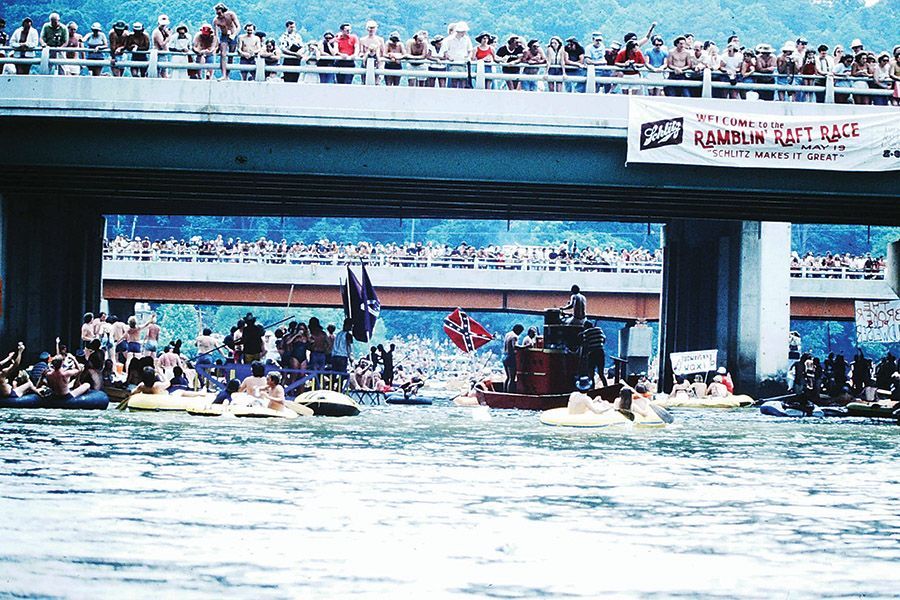
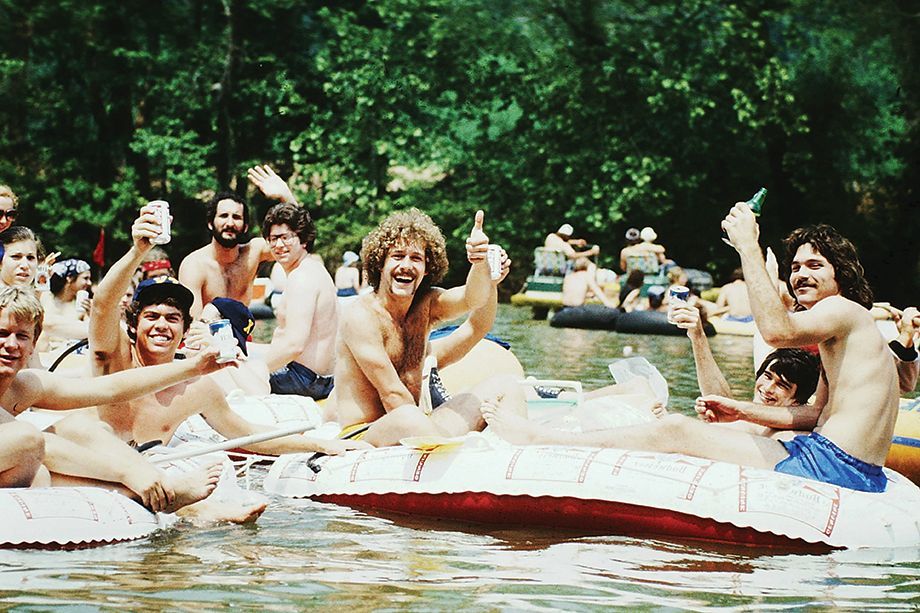
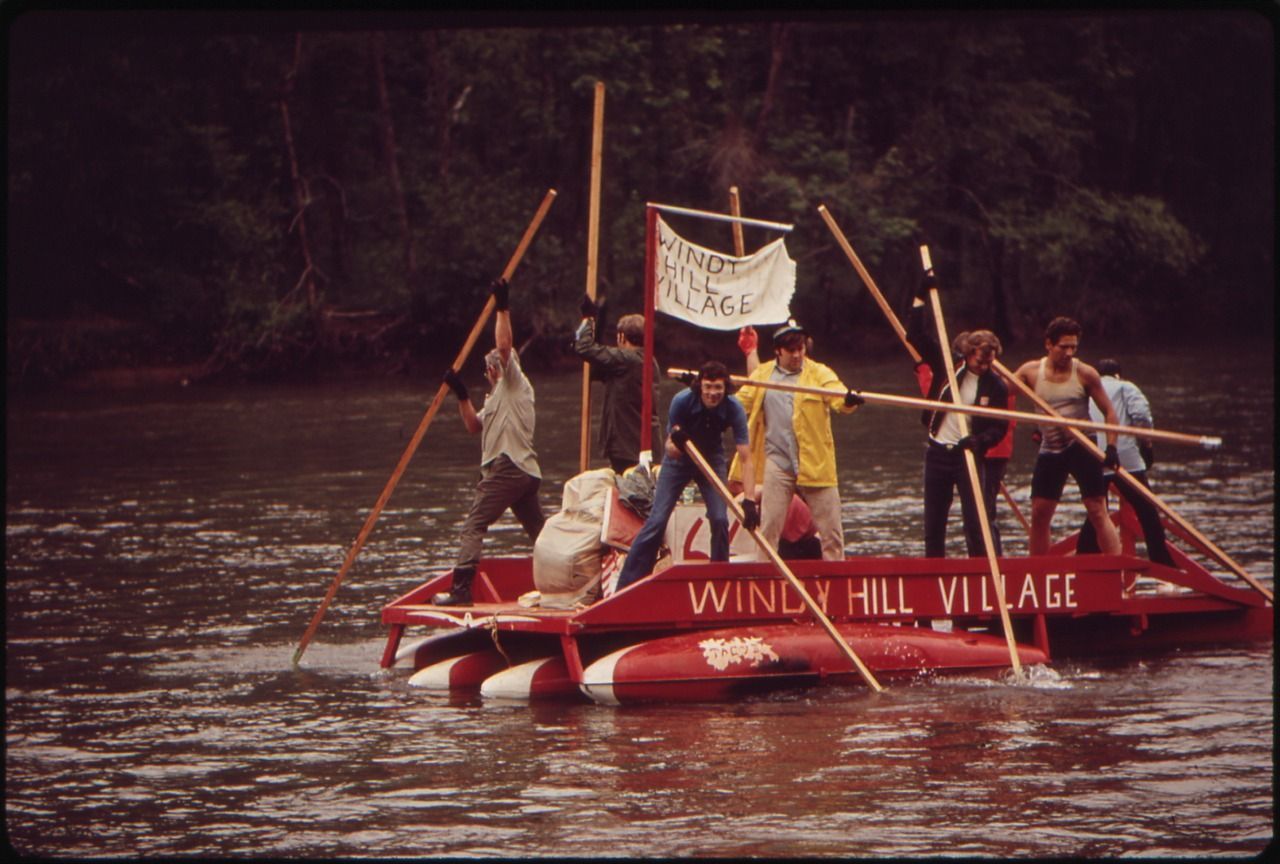
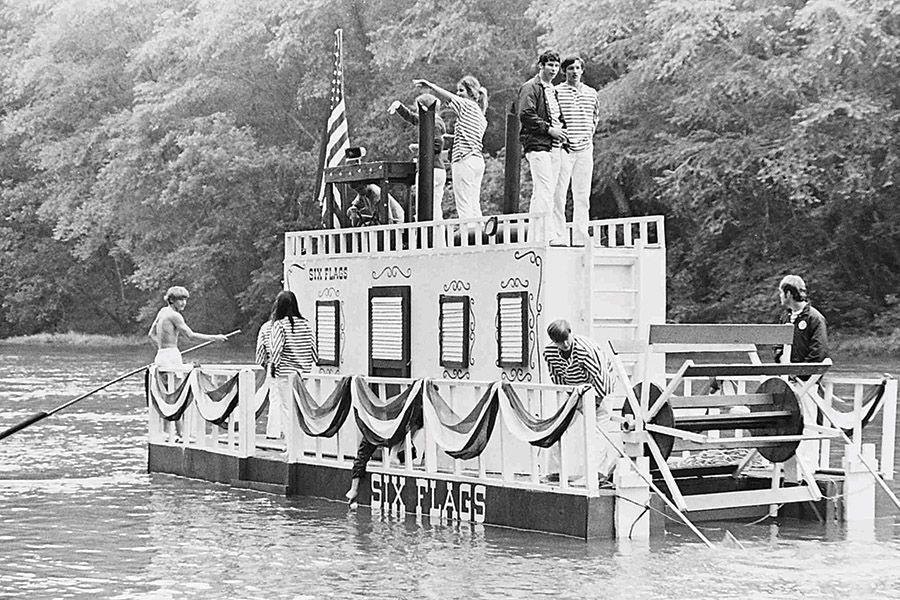
The inaugural race began at Morgan Falls and ended somewhere downstream - no one quite knew or cared where the race would conclude. What mattered was the thrill of the float and the sense of camaraderie among competitors. The event rapidly grew in popularity, and by the early 1970s, it was no longer just a college event but a community-wide celebration of the river. People created all kinds of handmade rafts, ranging from simple floats to elaborate designs - one memorable year saw a 34-foot pirate ship set afloat, only to sink during the race.
A Connection to Nature and Conservation
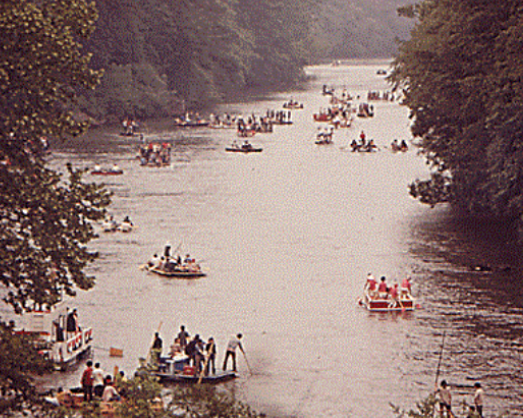
The appeal of the race was undeniable. It wasn't just the excitement of the raft race itself, but also the stunning natural beauty of the river and its surroundings that captivated participants. As long-time NPS Ranger Jerry Hightower later reflected, despite the rowdy reputation the event earned, it was a critical opportunity for people to experience the Chattahoochee River in a way that few others did. "They remembered it because, one thing, it was going through a beautiful area," Hightower noted. This connection to the river would become foundational to the growing conservation movement, especially as public awareness of the river’s environmental importance increased.
The Race’s Lasting Legacy
For the Chattahoochee National Park Conservancy (CNPC), the spirit of the Great Ramblin’ Raft Race holds a lasting significance. The race, despite its wild, carefree atmosphere, was instrumental in building public recognition of the river as a cherished resource—and also as one in peril. Local conservationists and activists used the race's visibility to rally for the river’s preservation, leading to efforts to secure land along its banks and eventually establish the Chattahoochee River National Recreation Area (CRNRA). This early conservation work laid the groundwork for the park that we now know and love today.
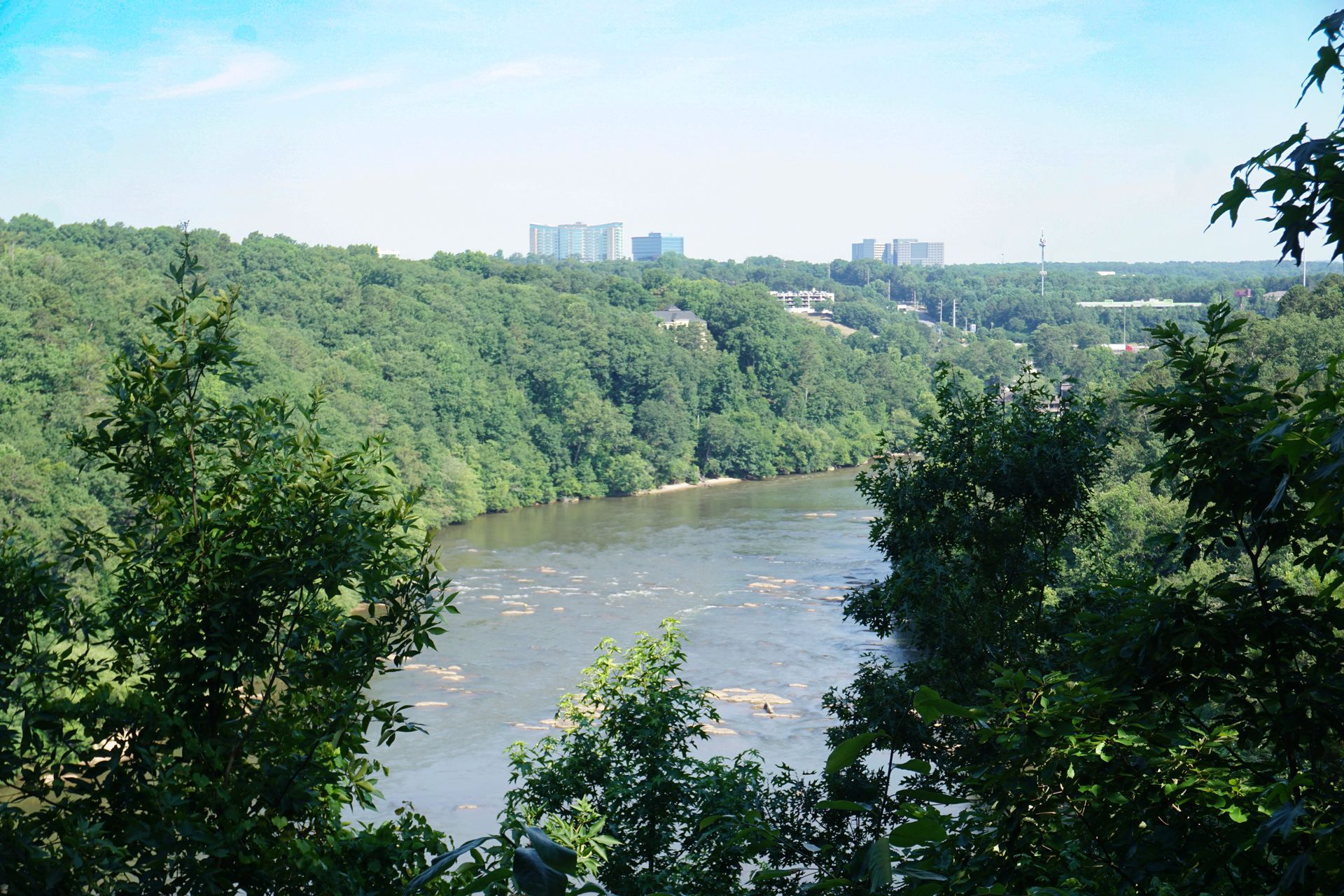
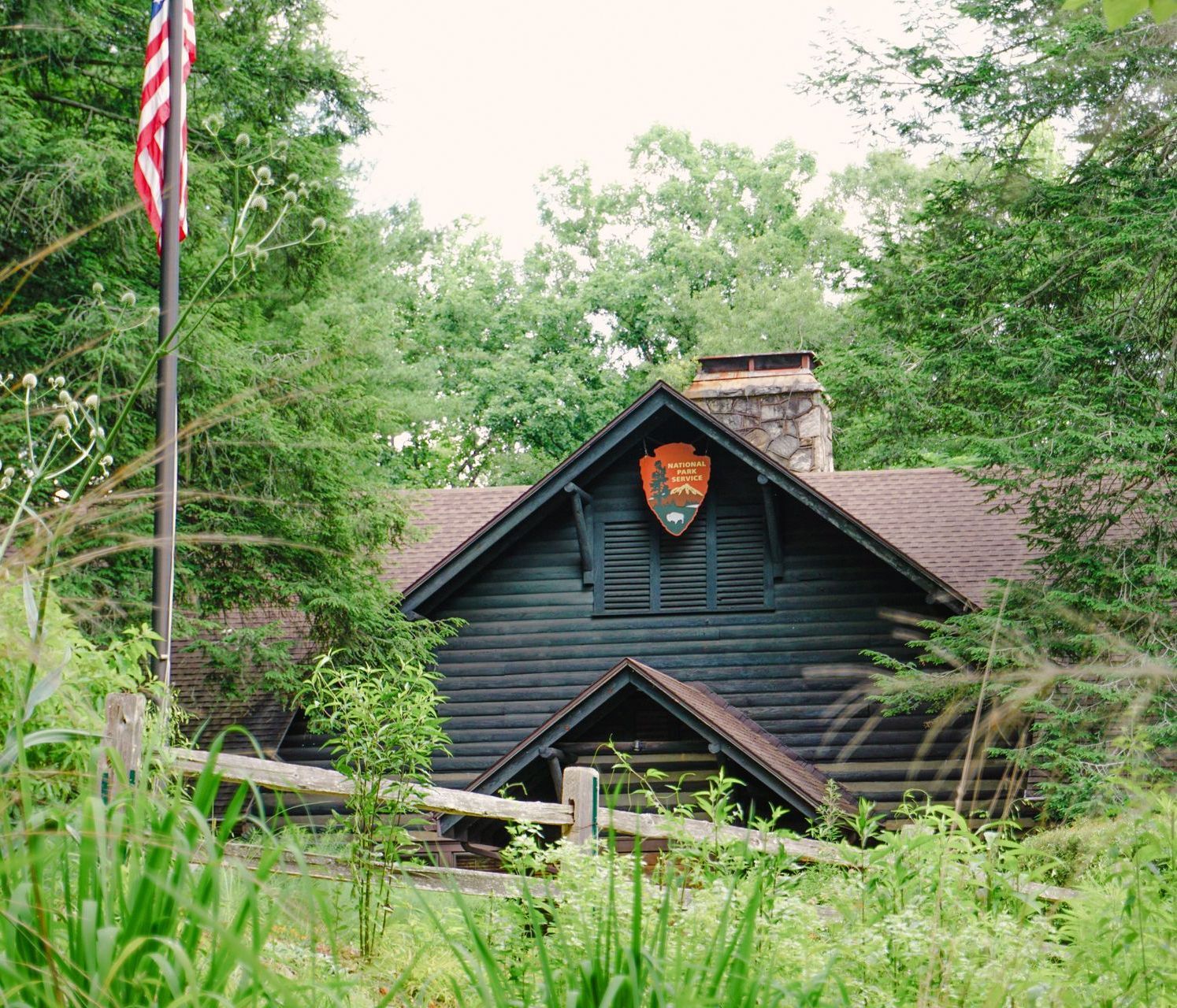
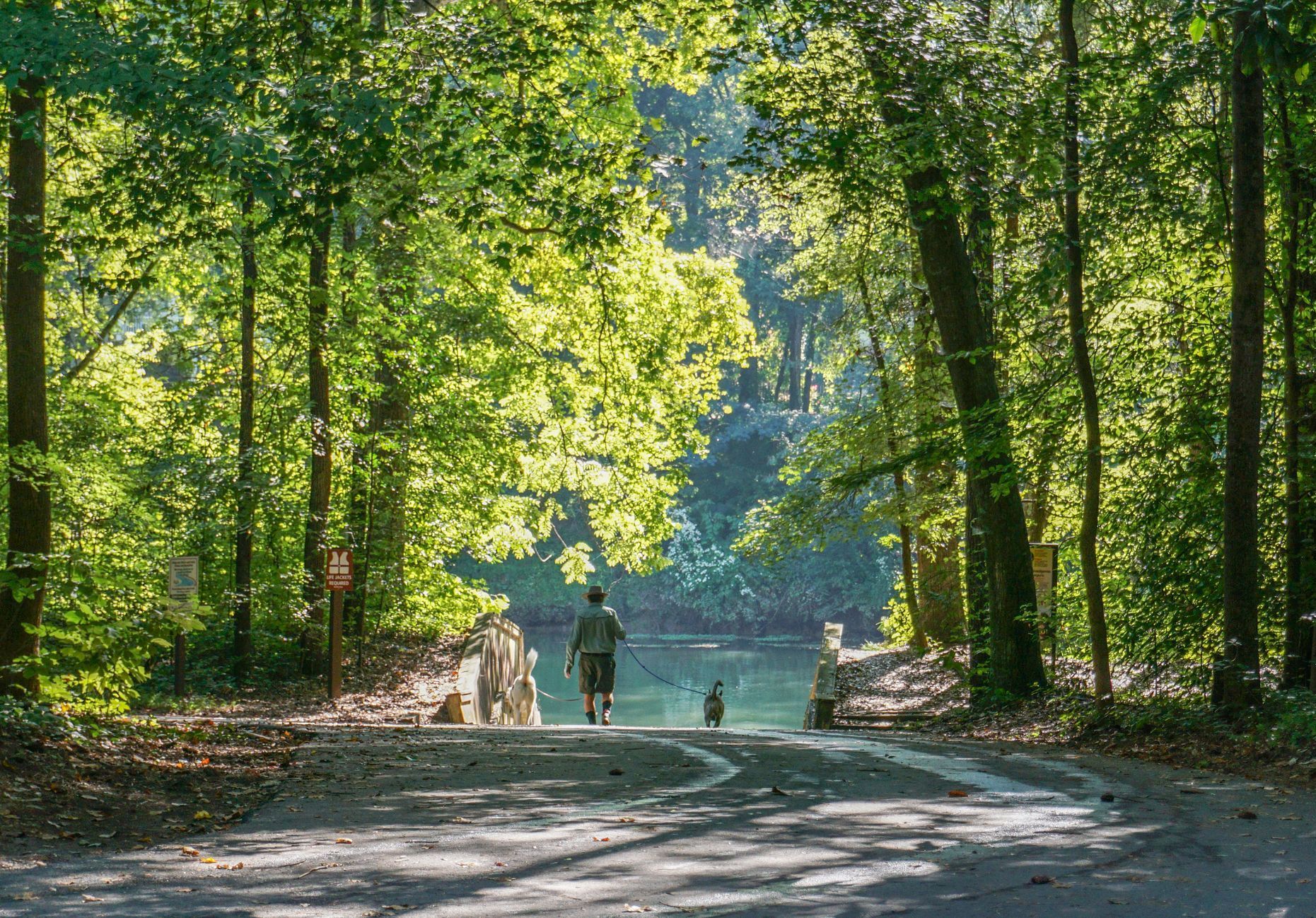
As CNPC continues its mission to enhance the Chattahoochee River National Recreation Area by building community, enriching lives, and catalyzing support, we find inspiration in the history of the Great Ramblin’ Raft Race. Just as the race introduced thousands to the river's beauty and importance, CNPC’s work today aims to ensure that future generations can enjoy the same experience—safely, responsibly, and sustainably.
In recent years, CNPC has focused on expanding and improving the trail system, offering more access to the natural beauty of the river, and restoring vital ecosystems. Through partnerships with local organizations, community engagement, and educational programs, CNPC works to support and preserve the river and greenspace for the enjoyment of all visitors. The legacy of the Ramblin’ Raft Race reminds us of the power of shared experiences to foster a deeper connection to our park, one that transcends generations and inspires collective action for its protection.
Documenting History and Inspiring the Future
Our oral history documenting the CRNRA's origins highlights how the event, along with the dedication of local conservationists and community leaders, was integral in the push to preserve the river and surrounding lands. This video shares firsthand accounts of those who fought for the park’s creation, showing how the Raft Race helped rally support and raise awareness for the conservation of this precious resource. The efforts of these early environmental advocates ultimately led to the establishment of the CRNRA as a national park, ensuring that future generations would have access to its scenic trails, waterways, and natural beauty.
For more details about the pivotal moments leading to the creation of CRNRA, see the CRNRA Administrative History (NPS History, CRNRA Administrative History, 2019).
Support Your Local National Park
If you enjoy CRNRA, consider supporting the Chattahoochee National Park Conservancy (CNPC). Your donation helps maintain and improve our beautiful trails and river, ensuring they remain a top destination and escape for metro Atlanta. Every contribution makes a difference in preserving this natural treasure for future generations.
Related Posts