Every Trail Tells a Story: Celebrating America's 250th at Chattahoochee River National Recreation Area
In Chattahoochee River National Recreation Area, every bend in the river has a story to tell. As our country celebrates the 250th anniversary of the signing of the Declaration of Independence, we're taking a moment to appreciate how this special place fits into the larger American story. And while the park itself wasn't established until 1978, the history of the Chattahoochee stretches back thousands of years.
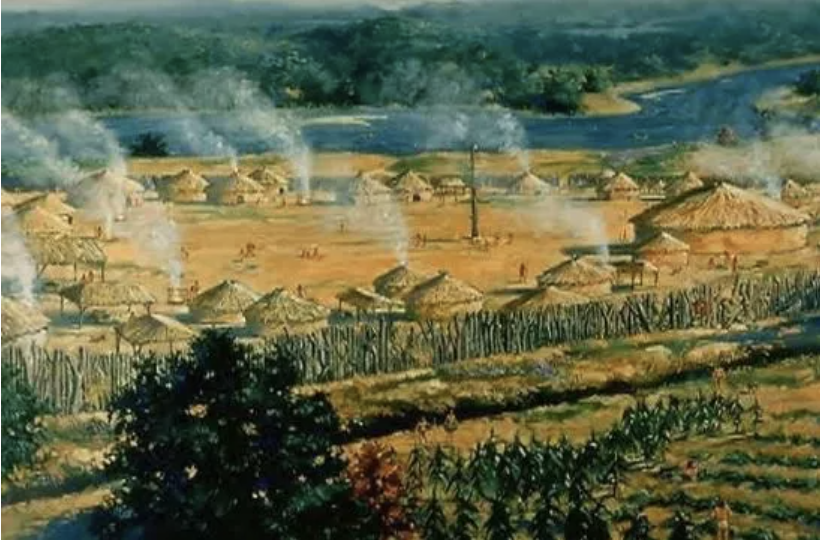
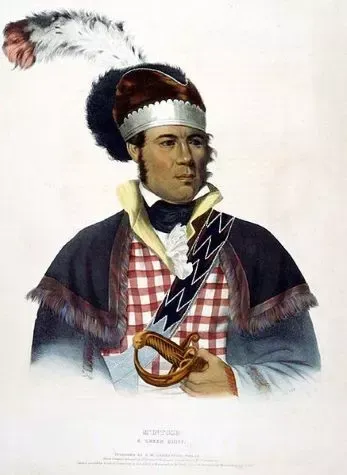
Long before there was a state of Georgia, or even a United States, the Chattahoochee River was home. For thousands of years, Indigenous peoples hunted, fished, farmed, traded, and traveled along this river. Archaeologists have uncovered evidence of continuous human occupation dating back at least 12,000 years, revealing that people have been connected to this landscape since the end of the last Ice Age. The ancestors of today's Muscogee (Creek) people built communities throughout the region, relying on the river not only for food and transportation but as a place of ceremony, connection, and community. Long before roads crossed the Chattahoochee, the river itself served as a natural highway linking people across the Southeast.
One of the area's most significant Indigenous sites was Standing Peachtree, located near the confluence of Peachtree Creek and the Chattahoochee. Long before Atlanta existed, it was an important meeting place and river crossing, and many historians believe it's where our city's famous "Peachtree" name originated. For a time, the Chattahoochee also served as a boundary between Muscogee (Creek) and Cherokee hunting grounds, making it a place of both shared resources and diplomacy.
Like much of the American story, this early chapter includes both resilience and heartbreak. During the early 1800s, federal Indian Removal policies forced Muscogee and Cherokee communities from their ancestral homelands, forever changing the people and cultures that had shaped this landscape for generations. Today, every visit to the river offers an opportunity to recognize the deep history of the people who cared for this place long before it became a national park.
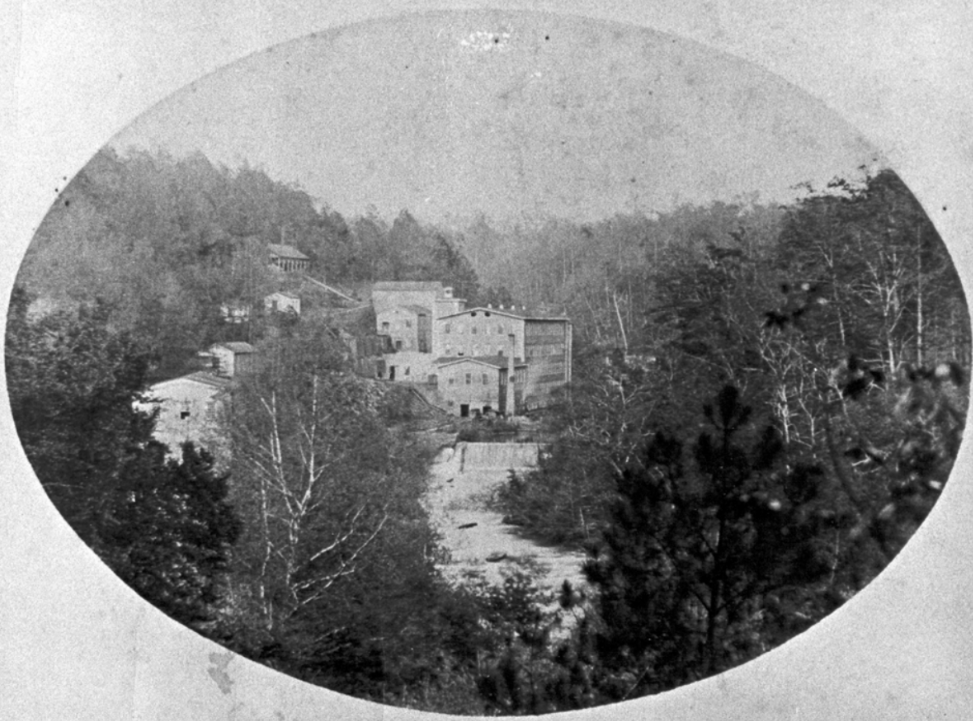
Roswell Manufacturing Company, view looking north of the mill as rebuilt after the Civil War. (Courtesy of Roswell Historical Society and City of Roswell)
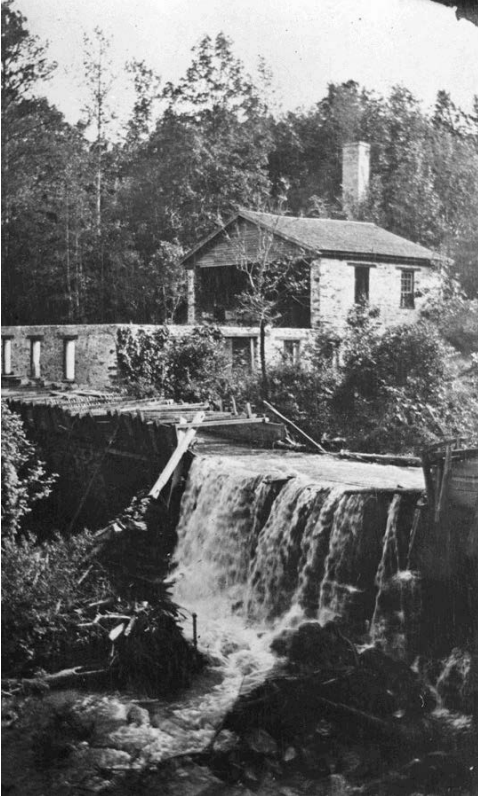
Ruins of the Marietta Paper Manufacturing Company’s mill at Sope Creek, 1907. (Vanishing Georgia Collection, Georgia Department of Archives and History)
A River That Built Communities
As Georgia grew, the Chattahoochee became much more than a source of drinking water, but a source of power -- before electricity, rivers powered nearly everything. The Chattahoochee and its tributaries turned mill wheels that ground grain into flour, powered textile factories, produced paper, and helped transform north Georgia into one of the South's early industrial centers.
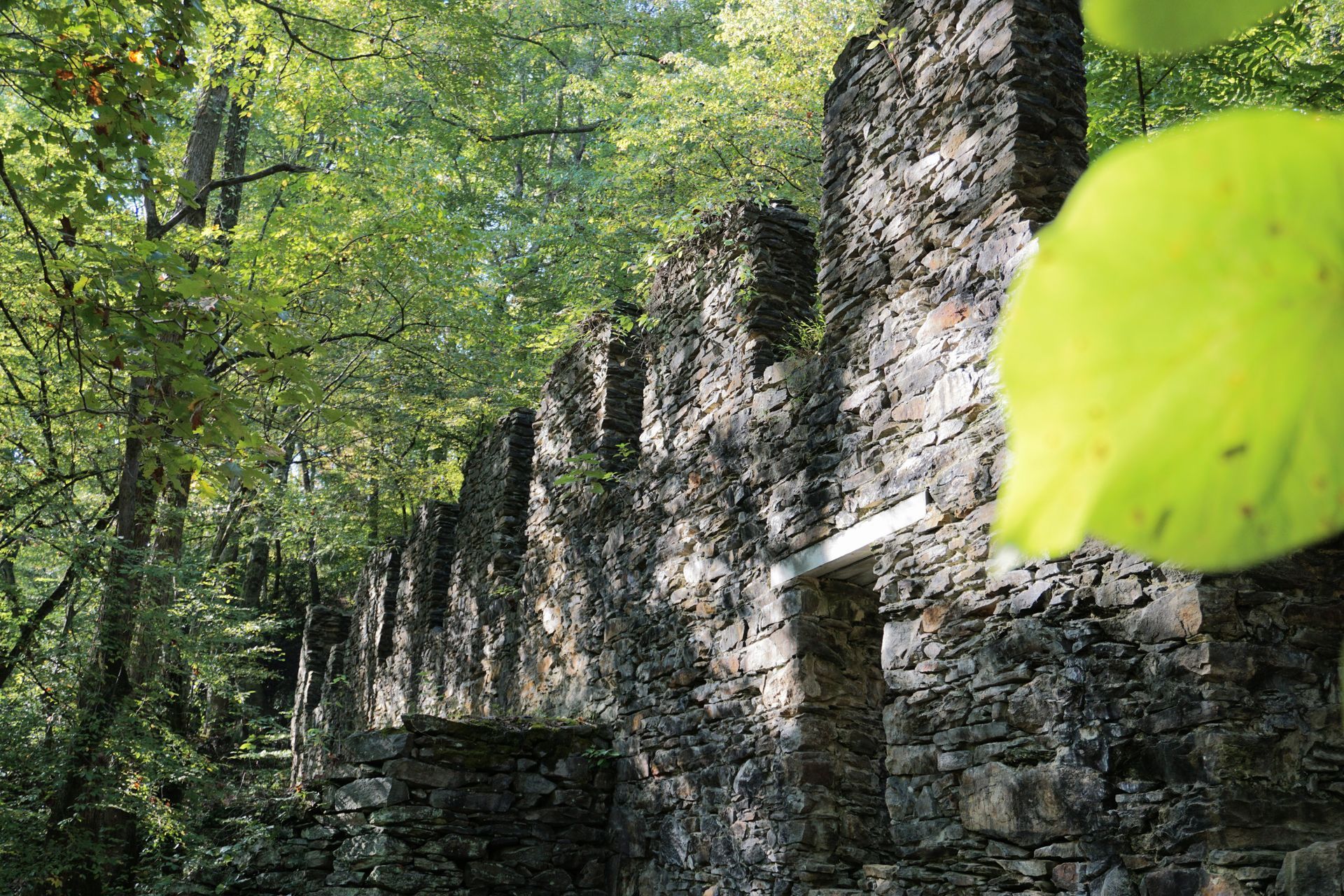
You can still see pieces of that history throughout the park: At Sope Creek, the towering stone ruins of the Marietta Paper Mill stand among the trees, reminding visitors that this quiet forest was once filled with the sounds of machinery and workers producing paper for a rapidly growing nation. And at Vickery Creek, the impressive brick ruins of the Roswell Mill overlook the waterfall that once powered one of Georgia's largest textile operations. Nearby trails wind past the old mill foundations, dam, and raceway that made the entire operation possible.
Other sites including the remains of Akers Mill, Ivy Mill, and historic bridge abutments scattered throughout the park tell similar stories of a river that powered both communities and industry. It's easy to think of these ruins as beautiful backdrops for a hike, but they represent generations of people who lived and worked along the river, helping shape the region we know today.
A Landscape Changed by War
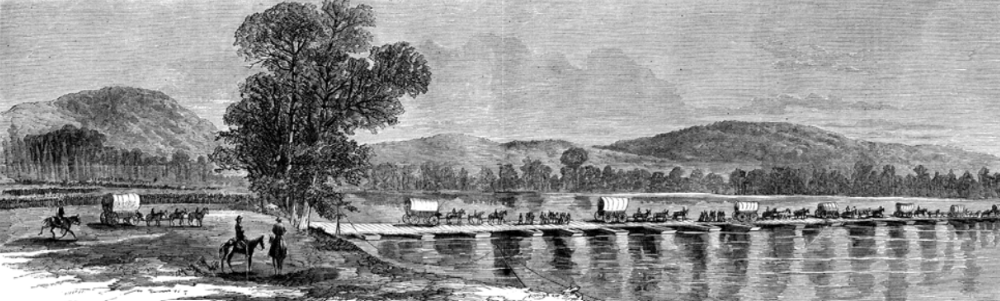
By the summer of 1864, the Chattahoochee River had become one of the most strategically important landscapes in the Civil War. As Union General William T. Sherman advanced toward Atlanta, the river became one of the last natural defenses protecting the city. Bridges, ferries, and shallow crossings throughout what is now Chattahoochee River National Recreation Area suddenly became military objectives.
Union forces destroyed the Marietta Paper Mill at Sope Creek because it supplied paper to the Confederacy, and the textile mills at Vickery Creek were burned, and hundreds of mill workers (most of them women) were arrested and sent north after the occupation of the town. Their story remains one of the most compelling and often overlooked chapters of the Atlanta Campaign.
A Park for the Future
The Chattahoochee's story didn't end with the Civil War. As metro Atlanta expanded during the twentieth century, development began to threaten the river corridor and the forests surrounding it. Recognizing the importance of protecting both the river and its rich cultural history, Congress established Chattahoochee River National Recreation Area in 1978.
Today, millions of people visit the park each year to hike, paddle, fish, birdwatch, and reconnect with nature, and the story continues.
At Chattahoochee National Park Conservancy, we're proud to help preserve not only the trails and natural beauty of this remarkable place, but the stories that make it meaningful. Every trail restored, historic ruin preserved, child who discovers the river for the first time, and volunteer who gives back to the park are moments that become part of the next chapter of American history.
Be Part of the Story
Americas 250th is an opportunity to reflect on where we've been and imagine where we're going. The next time you explore a rock overhang that once provided to shelter to Indigenous communities, stop to take in the iconic Civil War-era ruins, or simply pause along the banks of the Chattahoochee, remember that you're standing in a place where thousands of years of American history have unfolded.
Support Your Local National Park
If you enjoy CRNRA, consider supporting the Chattahoochee National Park Conservancy (CNPC). Your donation helps maintain and improve our beautiful trails and river, ensuring they remain a top destination and escape for metro Atlanta. Every contribution makes a difference in preserving this natural treasure for future generations.
Related Posts